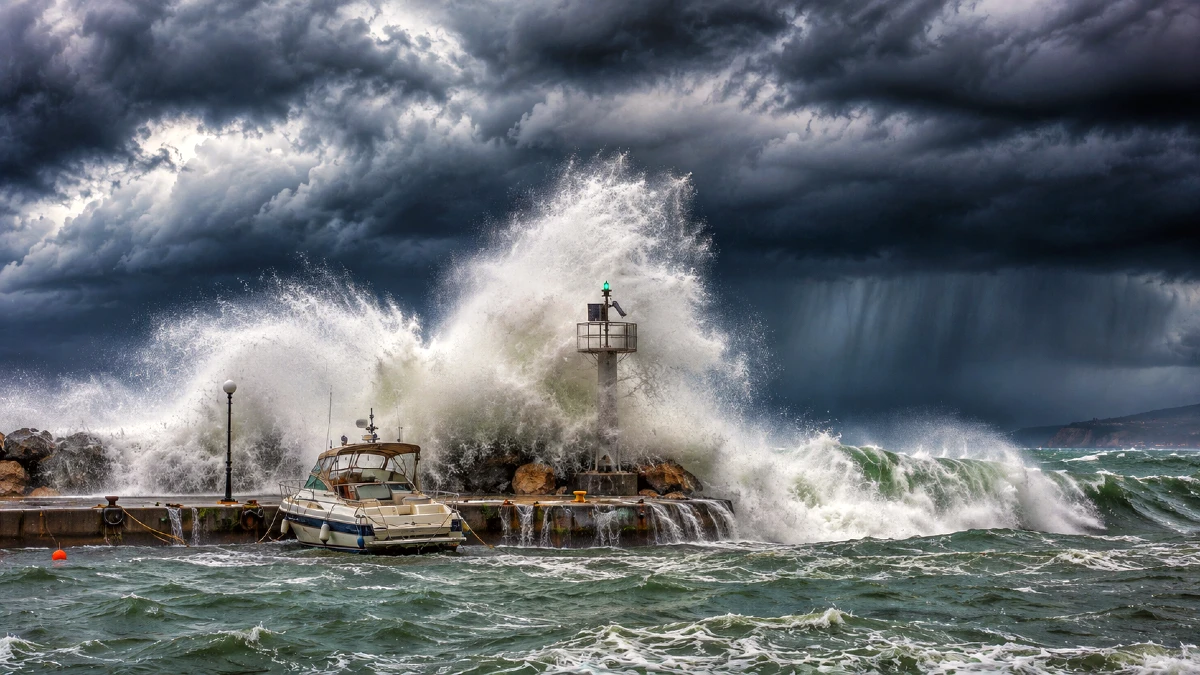
Portugal has taken the unusual step of closing schools and non-essential public services across the mainland on Wednesday, 11 November 2026, as Storm Charles threatens the country with violent winds, torrential rain and dangerous coastal conditions. The government has urged residents to stay at home wherever possible, while Lisbon has introduced additional restrictions and the Web Summit technology conference has cancelled its entire Wednesday programme.
A nationwide state of alert is in force from midnight until 11:59 pm on Wednesday. The precautionary measures follow warnings from Portugal’s meteorological agency, IPMA, that parts of the country could experience wind gusts of up to 140 km/h, intense rainfall and waves reaching a maximum height of 13 metres.
The disruption extends beyond everyday services. With transport networks facing potential delays and cancellations, the storm is affecting residents, businesses and international visitors alike.
Schools close across mainland Portugal as government urges people to stay home
The most significant decision affects education. Public and private schools across mainland Portugal are closed on Wednesday, an exceptional measure intended to keep children, families and school staff away from potentially dangerous travel conditions.
Non-essential public services have also suspended face-to-face operations, including Lojas do Cidadão and Espaços Cidadão, the government centres where residents handle administrative matters. Essential services, including emergency response, healthcare and security, remain operational.
The authorities have encouraged employers to introduce remote working wherever possible. Interior Minister Luís Neves has also called on residents to avoid unnecessary journeys, warning that the country could face particularly difficult conditions as Charles moves towards the mainland.
Restrictions extend to public spaces. Access to parks, woodland, exposed coastal areas and locations vulnerable to flooding has been temporarily limited or prohibited. Outdoor events have also been cancelled under the preventive measures.
The government has stressed that these decisions are intended to reduce risks before the most severe weather arrives, rather than respond only after damage has occurred.
Heavy rain, powerful winds and dangerous Atlantic waves
Storm Charles first affected the Madeira archipelago overnight before moving towards mainland Portugal. According to the Portuguese Institute for Sea and Atmosphere (IPMA), the depression’s exact path and intensity remain subject to uncertainty, making the timing and severity of local impacts difficult to predict.
Madeira experienced strong winds and heavy rainfall, particularly in mountainous areas. The regional authorities closed schools and non-essential services for part of Wednesday, while hiking routes and several tourist attractions were also shut as a precaution.
On the mainland, the greatest concerns involve central and southern Portugal. Several districts, including Lisbon, Setúbal, Leiria and Santarém, have faced the highest level of weather warning for heavy rainfall or strong winds.
Wind gusts could reach 120 km/h, rising to around 140 km/h in particularly exposed locations. Rainfall could also be intense enough to overwhelm drainage systems, flood low-lying roads and increase the danger of landslides.
The Atlantic coast presents another risk. Forecasts indicate significant wave heights of five to seven metres in some areas, with individual waves potentially reaching 13 metres. Such conditions can make seafront roads, harbour entrances and coastal viewpoints especially hazardous.
IPMA has warned that forecasts may change as the depression approaches. The distinction is important: these figures describe potential conditions, not measurements recorded everywhere across Portugal.
Lisbon closes road tunnels as Web Summit cancels its Wednesday programme
In Lisbon, the municipal authorities have introduced additional precautions, including the closure of road tunnels and restrictions affecting parks, gardens and other public facilities. Residents have been advised to stay away from riverside areas, particularly where flooding or strong winds could create dangerous conditions.
The storm has also interrupted one of the capital’s largest international events. Web Summit 2026, which was expected to attract around 70,000 participants, has cancelled its programme for Wednesday, 11 November.
The technology conference is held at Parque das Nações, close to the Tagus River. Organisers cited concerns about coastal flooding, strong winds affecting temporary outdoor structures and serious disruption to public transport.
The decision followed discussions with the Portuguese government, the National Emergency and Civil Protection Authority and the Public Security Police.
Web Summit organisers intend to resume the conference on Thursday, 12 November, but that plan remains dependent on weather conditions and advice from the authorities.
The cancellation is particularly significant for international visitors who have travelled to Lisbon for the event, as well as the businesses and service providers supporting the conference.
Flights and road journeys face disruption as Portugal remains on alert
Transport is another major concern as the storm crosses the country. Portugal’s airport operator, ANA, has warned that severe weather could affect flights, with delays, diversions and cancellations possible depending on conditions at individual airports.
Passengers travelling through Lisbon, Faro or Madeira should check directly with their airline before setting out. Flight schedules may change at short notice, even when an airport remains operational.
Road travel also carries additional risks. Heavy rainfall can flood underpasses and low-lying routes, while strong winds may bring down branches, trees or unsecured structures. The authorities are asking motorists to postpone journeys that are not essential and avoid roads affected by restrictions.
Charles arrives after another Atlantic depression, Bruna, brought unsettled weather to Portugal. Although the two systems are meteorologically distinct, their close succession has added to concerns about flooding and infrastructure damage.
For residents and visitors, the most important reference points remain the latest IPMA weather warnings, official civil protection advice and transport operator announcements.
Portugal’s state of alert is currently scheduled to remain in force until the end of Wednesday, 11 November. Decisions about reopening public facilities and resuming disrupted activities will depend on the conditions that follow the storm.