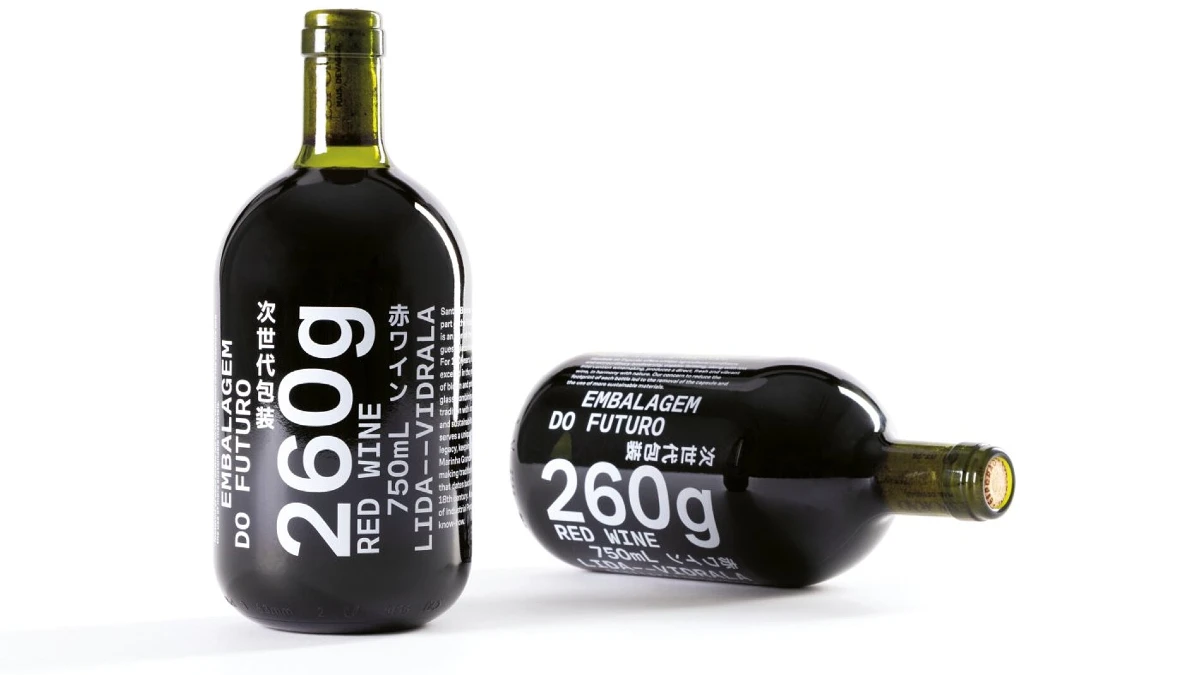
A wine bottle weighing just 260 grams, a ceramic tile that appears to move and a remote control designed to be operated by touch. These are among the Portuguese innovations recognised at the Red Dot Design Awards 2026, one of the world’s leading international design competitions.
According to a published review of this year’s results, 14 projects associated with Portugal received a total of 16 distinctions, spanning sustainable packaging, ceramics, technology, interior design and visual communication. Two projects received awards in more than one category.
The selection highlights a side of Portuguese creativity that often receives less international attention: the ability to combine industrial expertise, practical innovation and distinctive design.
A 260-gram wine bottle wins a top design award

One of the most remarkable winners is 260g, a lightweight glass wine bottle developed through a collaboration involving Vidrala and the Design and Arts Research Laboratory (LiDA) at the Polytechnic Institute of Leiria.
Despite holding a standard 75 centilitres of wine, the bottle weighs only 260 grams, approximately 30% less than a conventional equivalent. It can also incorporate up to 80% recycled glass.
Its redesigned shape makes transportation more efficient, allowing an additional 115 bottles per pallet and an estimated 7% improvement in transport efficiency.
The project earned two distinctions, including a Red Dot: Best of the Best for sustainable design, demonstrating how changes to an everyday object can reduce material consumption and logistics costs.
Portuguese ceramic tiles create an illusion of movement
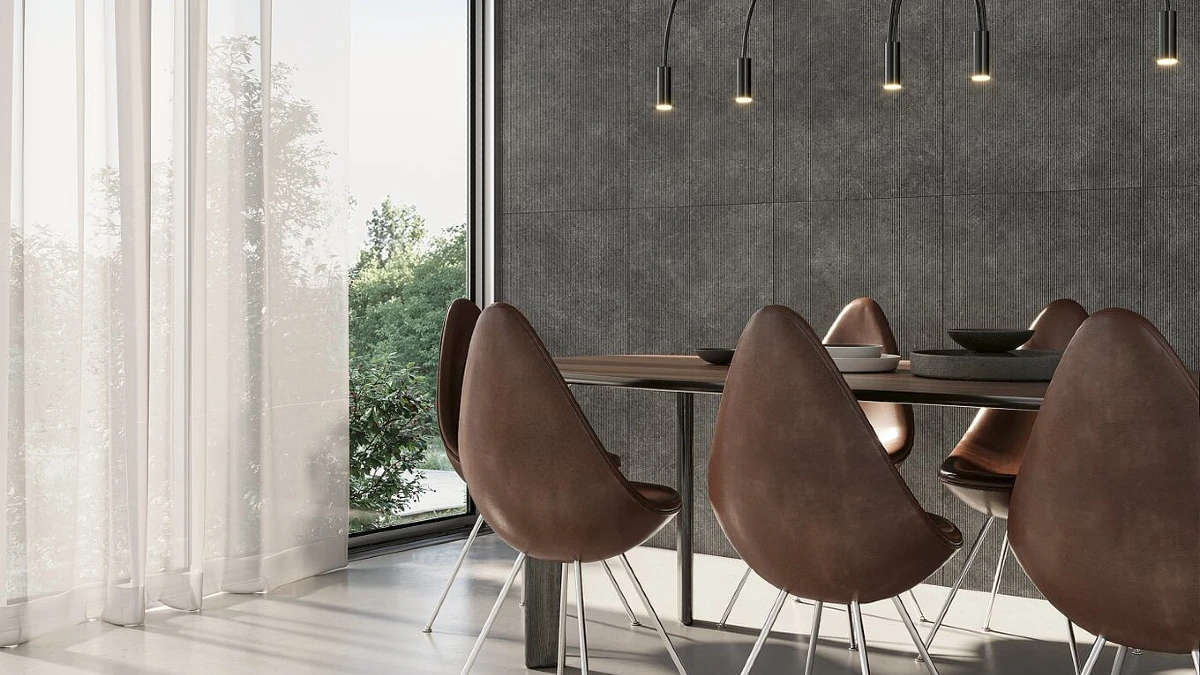
Portugal’s long tradition of ceramic manufacturing has also gained recognition through KINETICA, an innovative porcelain tile developed by Portuguese manufacturer Pavigres.
Its surface combines geometric patterns, textures and visual contrasts to create the impression of movement as the viewer changes position.
Unlike a digital display, the effect is entirely physical. The design uses the relationship between light, perspective and surface geometry to transform the appearance of a wall.
The KINETICA – Dual Graphic Porcelain Tile received a prestigious Best of the Best distinction in the Materials and Surfaces category. Another Kinetica project was also recognised, highlighting the company’s approach to contemporary architectural ceramics.
A remote control designed to be used without looking
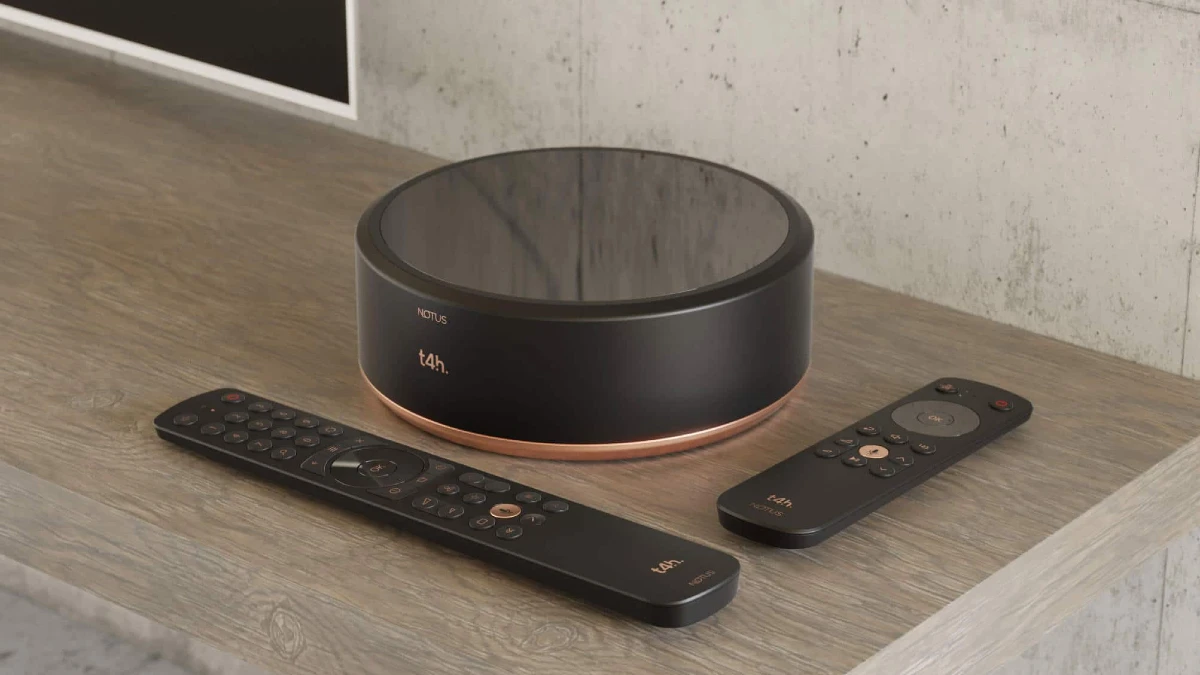
Another award-winning innovation comes from Tech4home, a Portuguese technology company based in São João da Madeira.
Its Notus Programmable Buttons remote control uses different tactile textures to help users identify buttons without looking at them. Four programmable keys provide direct access to television and streaming services.
Designed by Tiago Sousa and Nino Marta, the device also incorporates recycled polymers. It received two distinctions, recognising both its sustainable approach and its design for home entertainment.
The concept illustrates how relatively small design decisions can make familiar technologies more intuitive and accessible.
From gastronomy to urban design, Portuguese creativity stands out

The Portuguese winners extend beyond industrial products. In branding and communication, projects recognised in 2026 include Brusco Burger, the HOST Douro hospitality event and an identity created for Portuguese chef Kiko Martins.
Their work explores different aspects of visual storytelling, from restaurant branding to communicating the identity of the Douro region.
Other distinctions cover everyday objects and interiors, including the minimalist handle developed by INNGAGE for Alualpha, alongside tableware, bathroom equipment and urban design.
Together, these projects demonstrate the breadth of Portugal’s design sector, where small creative studios work alongside established manufacturers and technology businesses.
International recognition for Portuguese innovation
The Red Dot Awards recognise achievements across several design competitions, including Product Design and Brands & Communication Design. Their results are announced at different points during the year.
The Best of the Best designation is reserved for projects considered particularly outstanding by the international jury.
Winning entries from the Brands & Communication Design competition are also scheduled to feature at the Red Dot Design Museum in Essen, Germany, from 11 December 2026.
For Portugal, the 2026 distinctions highlight more than visual creativity. From lighter wine bottles to innovative ceramics and accessible electronics, they show how Portuguese design is contributing to practical solutions with international appeal.