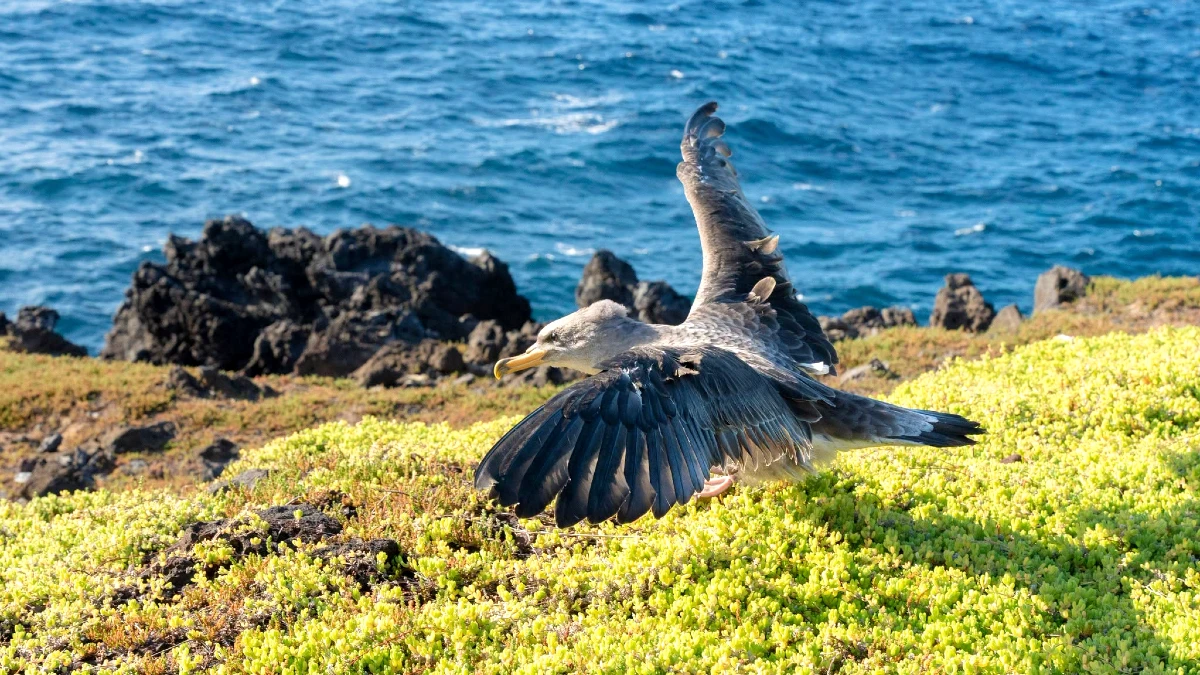
On Friday, 30 October 2026, residents, businesses and local authorities across Madeira and Porto Santo were encouraged to switch off unnecessary outdoor lighting for three hours. The initiative, known as Mega Apagão (the Great Switch-Off), had a simple but important purpose: helping young seabirds reach the Atlantic Ocean without being disoriented by artificial light.
Between 8 pm and 11 pm, participants were invited to turn off non-essential lights in gardens, on building façades and around public spaces. This was not an unexpected power cut or a mandatory blackout. It was a voluntary environmental campaign designed to reduce one of the lesser-known threats facing Madeira’s wildlife.
Organised by the Portuguese Society for the Study of Birds (SPEA) as part of the European LIFE Natura@night project, the initiative coincided with a particularly vulnerable period for Cory’s shearwaters, known locally as cagarras. Every autumn, young birds leave their nests and attempt their first flight towards the open ocean.
Why artificial lighting is dangerous for Madeira’s seabirds
The Cory’s shearwater (Calonectris borealis) spends most of its life at sea, returning to islands and rocky coastal areas to breed. These large seabirds are recognisable by their long wings, graceful flight and distinctive calls, which can often be heard along Madeira’s coastline after dark.
In autumn, young shearwaters leave their nesting sites for the first time, usually at night. Under natural conditions, they head towards the ocean, where they will spend much of their lives.
But artificial lighting can interfere with this crucial journey. Bright lights from towns, roads, hotels and other coastal developments can attract or disorient inexperienced birds, drawing them away from the sea.
Some collide with buildings or other obstacles. Others land on roads, pavements or in urban areas, where they may struggle to take off again and become vulnerable to traffic and other hazards.
The problem is particularly serious in developed coastal areas, where powerful lights can illuminate cliffs and surrounding landscapes. Reducing unnecessary lighting during the fledging season can therefore make a meaningful difference.
Hotels, municipalities and residents invited to take part
The Great Switch-Off brought together public authorities, private businesses and local communities across the archipelago.
Municipalities involved in the campaign included Funchal, Câmara de Lobos, Santa Cruz, Machico, Santana, Calheta, Porto Moniz and Porto Santo. Their participation focused on reducing lighting in selected areas, particularly along the coast.
Several hospitality businesses were also named among participating organisations, including properties operated by the Cardoso Group, Hotel Quinta da Serra, VidaMar and Galomar. INATEL Porto Santo Hotel and Madeira Airport were also associated with the initiative.
For residents, taking part required little more than switching off garden lights, decorative outdoor lighting or lamps that did not need to remain on throughout the night. Apartment buildings and residential complexes could also review communal lighting arrangements, provided that essential safety lighting was maintained.
The aim was never to leave the islands completely in darkness. Instead, the campaign encouraged a more thoughtful approach to outdoor lighting, showing how small changes can help protect wildlife without disrupting everyday life.
The danger continues until mid-November
Although the Great Switch-Off took place on 30 October, the most sensitive period for young shearwaters is not yet over.
In Madeira, the fledging season generally extends from mid-October until around 15 November. During these weeks, juvenile birds continue to leave their nests, making them especially vulnerable to light pollution.
SPEA therefore encourages residents and businesses to maintain sensible lighting practices beyond the campaign’s three-hour window.
Hotels, restaurants and other establishments near the coastline can help by reducing decorative lighting, avoiding unnecessary floodlights and ensuring that exterior lights are not directed towards cliffs or the sea.
The timing also raises a practical consideration as the Christmas season approaches. Delaying the installation or activation of particularly bright festive lighting until after the most critical fledging period could help reduce disturbance.
The initiative forms part of the wider LIFE Natura@night project, which seeks to address light pollution and its effects on biodiversity. Alongside public awareness campaigns, the project supports wildlife rescue efforts and encourages organisations to adopt more environmentally responsible lighting.
SPEA also promotes the Noite com Vida (Night Full of Life) label, recognising establishments that take steps to protect nocturnal wildlife.
What to do if you find a stranded shearwater in Madeira
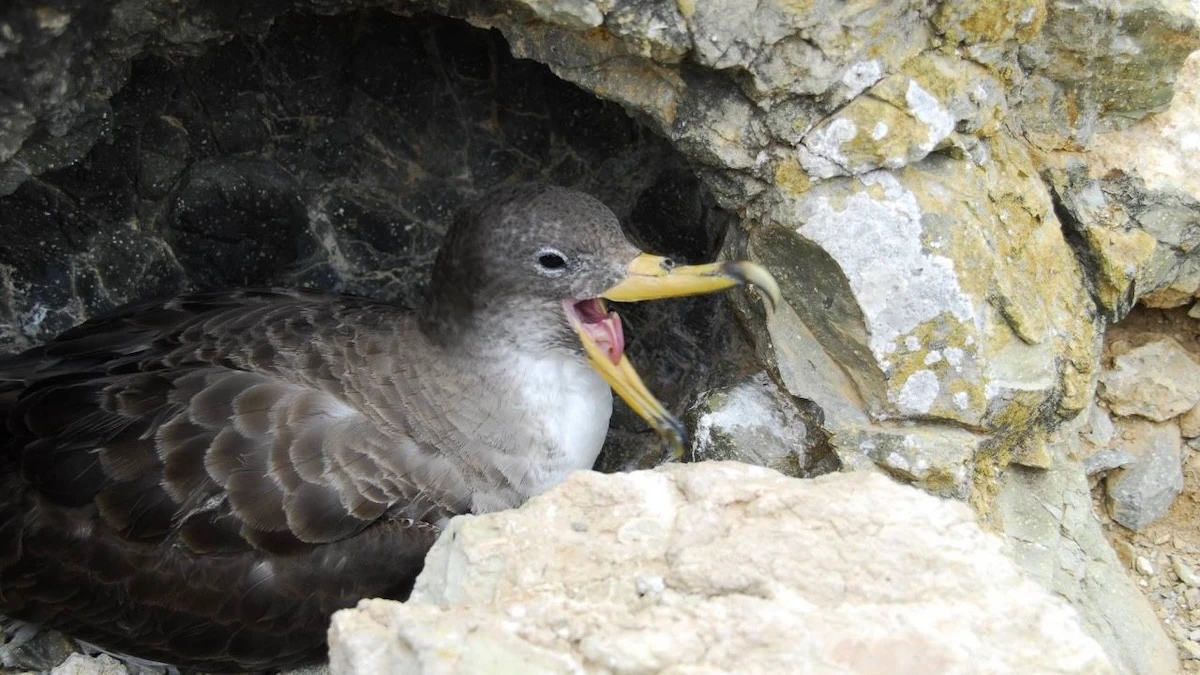
A young shearwater may be found beside a road, near a hotel or in a residential area. Even when the bird appears uninjured, it may need specialist assistance before it can safely return to the ocean.
Anyone who discovers a stranded or disoriented shearwater in Madeira should contact the appropriate wildlife rescue services.
The SOS Vida Selvagem Madeira network can be reached on 961 957 545. Rescue teams can provide guidance and arrange assistance when necessary.
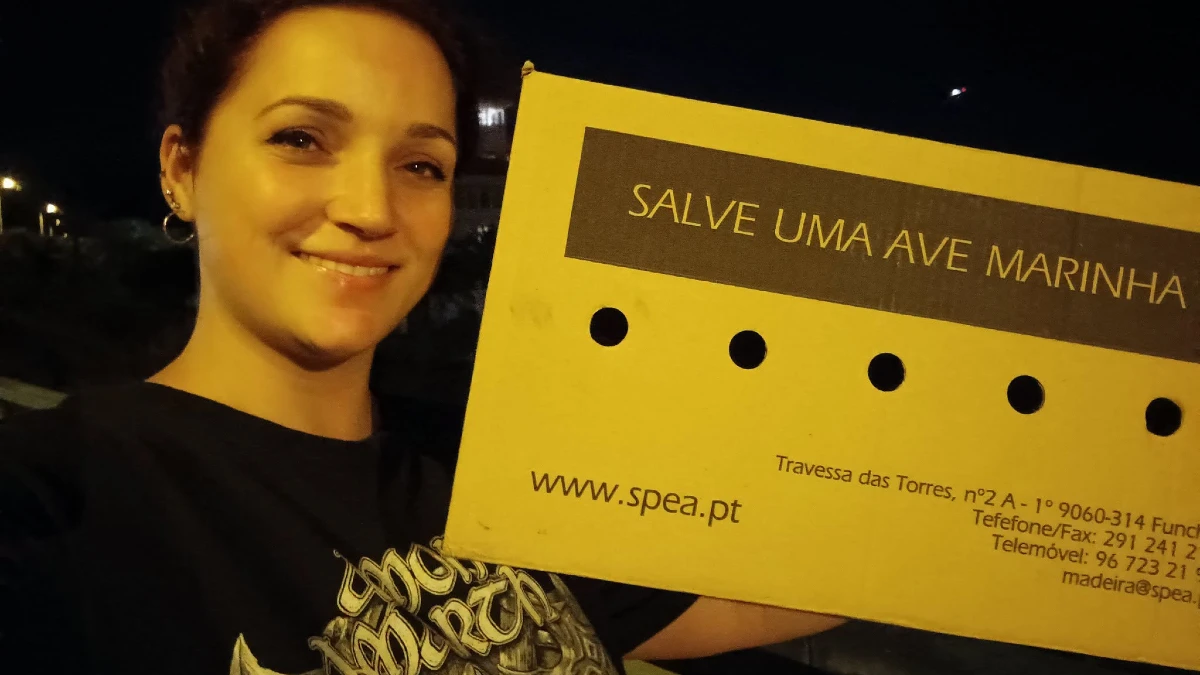
If the bird is in immediate danger and it is safe to intervene, it may be gently covered with a towel and placed in a ventilated cardboard box, following the instructions of wildlife rescue professionals.
Keep the animal somewhere quiet and dark while waiting for assistance. Do not give it food, water or medication, and never attempt to make it fly by throwing it into the air. Incorrect handling could cause further injury.
The issue is not unique to Madeira. Cory’s shearwaters also breed in the Azores, where the annual SOS Cagarro campaign encourages residents to help birds affected by artificial lighting. In the Azores, the SOS Ambiente hotline is available on 800 292 800.
A small change with lasting benefits for Madeira’s wildlife
The Great Switch-Off highlighted an environmental challenge that often goes unnoticed. Artificial lighting may seem harmless, but for a young seabird making its first journey to the ocean, it can become a serious obstacle.
The 30 October campaign was designed to demonstrate that protecting wildlife does not always require major infrastructure changes. Sometimes, switching off a light that serves no essential purpose is enough to reduce a risk.
For Madeira’s young shearwaters, the coming nights remain especially important. With the fledging season continuing until mid-November, reducing unnecessary coastal lighting can still help these remarkable birds make their way safely out to sea.