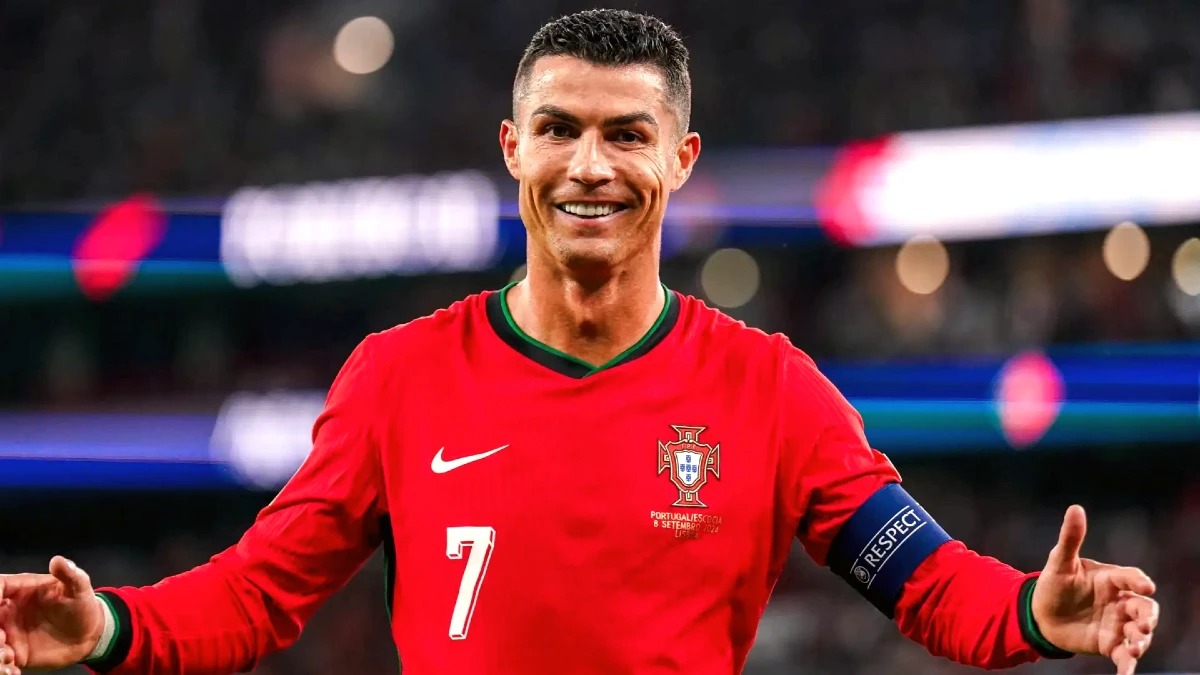
Cristiano Ronaldo has announced his retirement from international football, bringing an extraordinary 23-year journey with Portugal to an end. At 41, the Madeira-born forward is stepping away from the national team after 234 appearances and 146 goals, leaving behind a legacy that stretches far beyond the record books.
The announcement came in an emotional video shared on his social media accounts on November 5, 2026. Rather than focusing solely on trophies and personal achievements, Ronaldo used the occasion to reflect on what representing Portugal had meant to him, his teammates and millions of supporters around the world.
For a generation of Portuguese fans, the national team and Cristiano Ronaldo have been almost inseparable. Now, one of football’s most remarkable international careers has reached its final chapter.
Cristiano Ronaldo says goodbye to Portugal in an emotional message

There was no dramatic press conference or elaborate farewell ceremony. Instead, Ronaldo chose to address the Portuguese people directly, sharing a deeply personal message about the shirt he had worn for more than two decades.
“The day has come to hand back the number 7 shirt of our national team,” he said, explaining that he had never considered it his alone. Wearing it had been both a privilege and a responsibility, one that followed him from his teenage years to the biggest stages in world football.
His words went well beyond the familiar language of sporting achievement. Ronaldo spoke about the people who had accompanied him throughout his international career, from teammates and coaches to the medical staff and countless individuals whose work usually takes place away from the cameras.
He also reserved a special place for Portuguese communities living abroad. For emigrants scattered across the world, he suggested, watching the national team could make Portugal feel a little closer, even if only for 90 minutes.
That connection was at the heart of his farewell. The goals, records and trophies mattered enormously, but so did the shared celebrations, disappointments and moments of national pride.
Ronaldo acknowledged that leaving had not been easy. Some decisions, he explained, are made not only with the mind but also with the heart.
From his debut in 2003 to Portugal’s unforgettable Euro 2016 triumph

Cristiano Ronaldo’s international story began on August 20, 2003, when an 18-year-old winger made his Portugal debut against Kazakhstan. He came on as a substitute for Luís Figo, one of the country’s greatest footballers, in a moment that now seems almost symbolic.
What followed was a transformation not only of a player, but of Portuguese football’s place on the international stage.
Over the next 23 years, Ronaldo became the central figure of the Seleção, playing through different generations, tactical systems and major tournaments. His final international record stands at 234 appearances and 146 goals, figures that underline his extraordinary longevity at the highest level.
Yet one summer evening in France remains the defining image of his international career.
On July 10, 2016, Portugal faced the hosts in the European Championship final at the Stade de France. Ronaldo’s own evening ended painfully when an injury forced him off during the first half. His teammates, however, continued the fight, and Éder’s extra-time goal secured Portugal’s first major international trophy.
The sight of Ronaldo celebrating from the sidelines became part of the story of that historic victory. It was a triumph built on collective resilience, and one that changed the way Portuguese football viewed its own possibilities.
Further success followed with UEFA Nations League titles in 2019 and 2025. Ronaldo also appeared at six World Cups, although the game’s most prestigious international trophy ultimately remained beyond his reach.
His influence, however, cannot be measured by silverware alone. For more than two decades, he helped make Portugal a permanent presence in the global football conversation.
A difficult decision after tensions within the national team
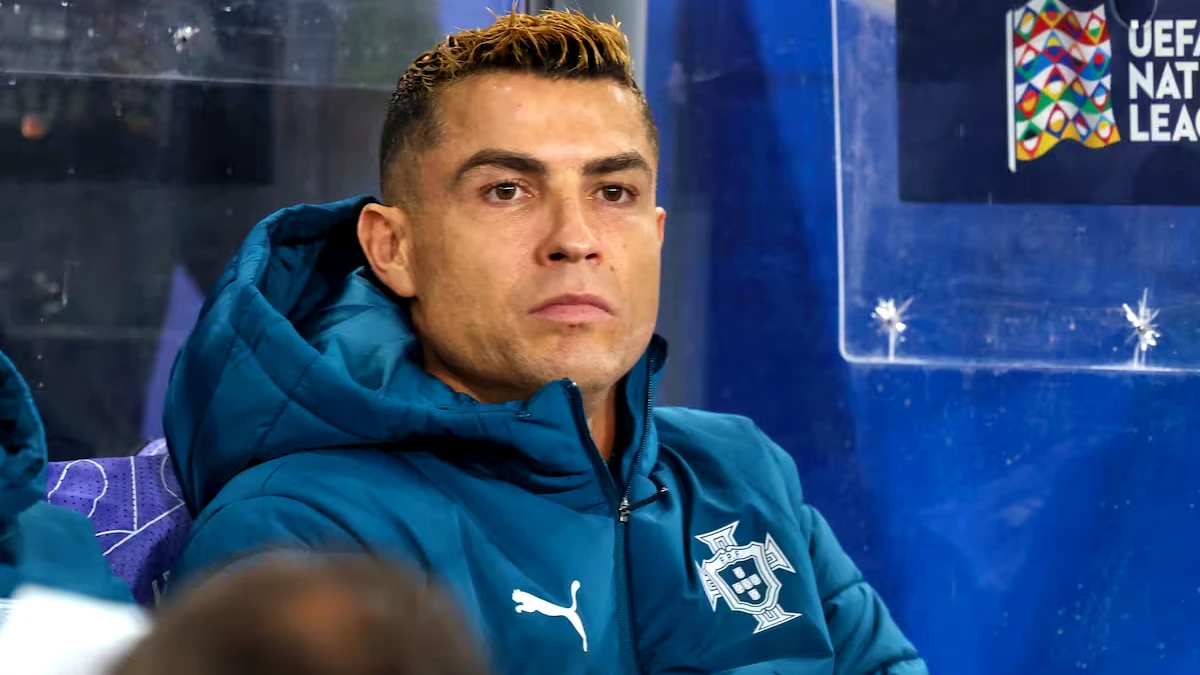
Ronaldo’s departure did not come entirely without warning.
In recent months, questions had grown around his international future, particularly following Portugal’s 2026 World Cup campaign. At 41, he remained one of football’s most recognisable figures, but his place within an evolving national team had become a subject of debate.
Tensions with Portugal coach Jorge Jesus added another layer of uncertainty. Ronaldo left the national-team gathering in late September, and speculation followed about whether he would return for another international window.
The forward had already hinted that the end of his playing career was approaching. Earlier in the season, he suggested that 2026–27 could be his final campaign as a professional footballer.
He had also spoken about knowing when to step aside from the national team. If he could no longer contribute on the pitch or felt he was becoming a problem for the group, he said, he would be the first to leave.
His retirement announcement now brings that period of uncertainty to a close.
Importantly, this is a retirement from international football, not an announcement that he is leaving the sport altogether. Ronaldo remains associated with Al-Nassr in Saudi Arabia, where the final chapter of his club career continues.
Portugal faces a new chapter without its most famous captain

For Portugal, Cristiano Ronaldo’s retirement is more than the departure of a prolific goalscorer. It marks the end of a period in which one player became an enduring symbol of the country’s footballing ambition.
He represented Portugal through moments of extraordinary celebration and painful disappointment. He was there for the near misses, the difficult tournament exits and the historic nights when a relatively small European nation stood at the centre of the football world.
His farewell message reflected that shared history. Ronaldo thanked the teammates who had fought alongside him, the coaches who had guided him and the family members who had accepted the sacrifices that came with international duty.
Above all, he spoke about the Portuguese supporters.
One image, he explained, would remain with him for the rest of his life: standing before a match as the national anthem played, looking around at teammates and supporters who had travelled from near and far to represent the same country.
For those few minutes, differences disappeared. Club loyalties, social backgrounds and everyday concerns gave way to a shared sense of belonging.
That feeling, rather than any individual record, was what he wanted to carry into the future.
Portugal must now build its next generation without the captain who defined so much of its recent history. New leaders will emerge, new talents will wear the famous red shirt, and new ambitions will take shape.
But Cristiano Ronaldo’s place in the story is already secure. From a young boy growing up in Madeira to the captain who lifted Portugal’s first European Championship trophy, his journey became part of the country’s modern sporting identity.
The number 7 shirt will have another owner. The 23 years Cristiano Ronaldo spent wearing it for Portugal will remain his alone.