
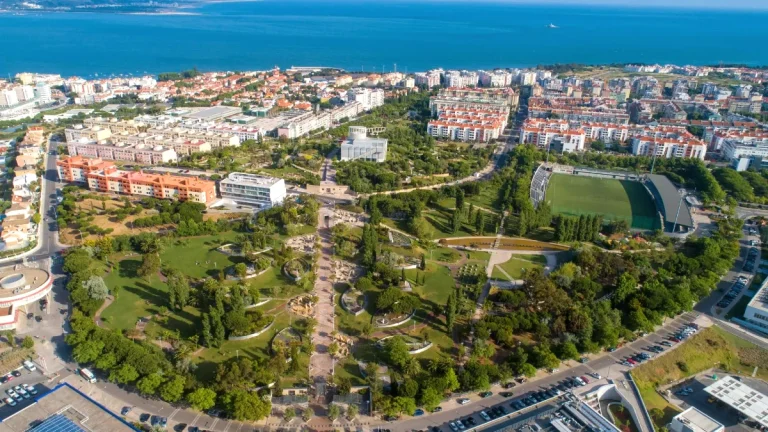
Portugal Real Estate
Portugal’s property market has experienced significant growth, attracting increasing interest from international investors. Property prices have risen particularly sharply in major cities such as Lisbon and Porto, where demand remains strong. Several factors are driving this trend, including changes in construction practices and growing demand for rental accommodation, especially during the peak tourist season. External pressures have also played a role. The war in Ukraine, for example, has contributed to higher construction costs, adding further pressure to property prices across the country.

The economic outlook and its impact on Portugal’s property market
After a strong post-pandemic recovery and a period of high inflation across Europe, Portugal enters 2026 with a more stable, but also more demanding, economic environment. GDP growth remains positive, although it has slowed compared with 2021 and 2022. The Portuguese economy continues to benefit from tourism, exports and foreign investment, particularly in residential property and the luxury sector.
The Portuguese property market experienced substantial price growth between 2018 and 2023. In 2026, the picture is more varied: demand continues to outstrip supply in certain areas, while prices are stabilising elsewhere. Lisbon, Porto and the Algarve remain major property hotspots, but rising prices have encouraged many investors to explore secondary markets such as Braga, Setúbal, Coimbra and towns further inland.
Inflation, which exceeded 8% at the height of Europe’s energy crisis, has gradually returned to more moderate levels. Nevertheless, construction costs remain high, driven by materials and labour expenses. This continues to support existing property values, particularly in urban centres where land available for development is scarce.
Another important factor is the rise in interest rates between 2022 and 2024, which made buying property more difficult for purchasers relying heavily on mortgages. In 2026, demand is increasingly supported by buyers with substantial deposits and international investors. This shift is changing the structure of the market, favouring premium properties and homes in desirable locations.
Overall, Portugal’s economic outlook in 2026 remains favourable for property investment, but success increasingly depends on careful analysis of local markets, realistic rental yields and prospects for medium-term capital appreciation.
Portugal’s housing crisis: rising prices and the struggle to find affordable homes
While Portugal’s property market continues to attract investors, the country is facing a serious housing affordability crisis. Property prices have risen much faster than household incomes over the past decade, making it increasingly difficult for many Portuguese residents to buy or rent a home. The problem is particularly severe in Lisbon, Porto, the Algarve and other areas where demand is high.
According to the European Commission’s 2026 assessment, house prices in Portugal have nearly tripled since 2015. The consequences extend well beyond low-income households. Young professionals, students, families and middle-income earners are also struggling to find suitable accommodation at affordable prices. In several high-demand areas, renting a modest apartment can absorb most of a young worker’s income.
The crisis is not simply the result of foreign investment or tourism. A long-standing shortage of affordable housing, limited new construction, rising building costs and lengthy planning procedures have all contributed to the imbalance between supply and demand. At the same time, many properties remain vacant or are used as second homes, while the growth of short-term tourist rentals has added pressure to certain local markets.
The Portuguese government has introduced measures intended to increase housing supply, support affordable rentals and improve access to homeownership. Public investment, renovation programmes and incentives for residential construction form part of this response. However, the scale of the challenge remains considerable, and the effects of these policies will take time to become visible.
For anyone considering the Portuguese property market in 2026, this social dimension is essential to understanding the wider picture. Rising property values may benefit existing owners and investors, but they also raise questions about housing accessibility, social inequality and the long-term sustainability of the market. Portugal’s real estate future will depend not only on attracting investment, but also on ensuring that people who live and work in the country can afford a home.
Property investment opportunities in Portugal in 2026
Despite a more regulated environment, Portugal continues to offer attractive property investment opportunities for buyers with a well-defined strategy. Rental yields vary considerably depending on the type of tenancy, location and applicable regulations.
Holiday rentals and the changing regulatory landscape
Short-term tourist accommodation, known as Alojamento Local, has long been an important source of rental income, particularly in Lisbon, Porto and the Algarve. However, recent reforms have introduced restrictions in certain urban areas to ease pressure on residential housing.
In 2026, holiday rentals can still generate attractive returns in coastal destinations, the Algarve and less saturated municipalities. Investors must nevertheless check local regulations carefully, as short-term rental licences may be restricted or suspended in particular neighbourhoods.
Gross rental yields can remain appealing during the peak tourist season, but management fees, maintenance expenses and taxation must all be taken into account. Profitability increasingly depends on professional management rather than location alone.
Long-term residential property investment
As short-term letting faces tighter restrictions, many investors are turning towards long-term residential rentals. Strong demand for housing, especially in major cities, continues to support this segment of the market.
Developing suburban areas are benefiting from population growth and improved infrastructure. Municipalities around Lisbon, including Loures, Montijo and Almada, as well as locations near Porto such as Matosinhos and Vila Nova de Gaia, may offer interesting opportunities.
The premium and luxury property market continues to attract international buyers. This segment is generally less sensitive to short-term economic fluctuations and benefits from Portugal’s political stability and quality of life. Sea-view properties, homes in gated developments and renovated buildings in historic centres tend to retain strong market appeal and resale potential.
Challenges in Portugal’s property market and essential precautions
Investing in Portuguese property in 2026 requires greater caution than in previous years. Several factors need to be considered when building a sound investment strategy.
International market volatility, geopolitical tensions and European monetary policy adjustments can all influence Portugal’s property sector indirectly. Localised price corrections remain possible in areas where valuations have risen beyond sustainable levels.
Recent housing reforms, particularly measures intended to curb speculation and regulate tourist accommodation, are reshaping the market. Understanding tax implications, municipal planning rules and potential licensing restrictions is essential.
Property transaction costs, including IMT property transfer tax, notary fees, registration charges and the annual IMI property tax, must be included when calculating investment returns. Underinsurance, which may lead to a proportional reduction in compensation following a claim, and inaccurate renovation budgets can also significantly affect overall profitability.
Practical advice for international property investors
Portugal continues to attract international investors thanks to its quality of life, safety and climate. However, the gradual withdrawal of certain favourable tax arrangements has changed the investment landscape.
It is essential to work with qualified local professionals, including a property lawyer, tax adviser, notary and licensed estate agent. Thorough checks on the property’s legal status, planning permissions, regulatory compliance and any outstanding debts are crucial before committing to a purchase.
Comparing several properties, examining prices per square metre in individual neighbourhoods and assessing realistic rental potential can help avoid costly decisions. Future capital appreciation is increasingly likely to depend on the property’s underlying quality rather than speculative market momentum.
Portugal’s property market remains attractive in 2026, but it has entered a more mature phase. The days of easy returns are largely over. A well-informed investment strategy, grounded in local market conditions and an understanding of the regulatory and economic environment, is now essential to making the most of opportunities in Portuguese real estate.
Note: This article is for information purposes only and reflects property market trends observed in 2026. Before making any investment decision, readers should seek advice from qualified property and tax professionals.