

Portugal’s housing market is showing signs of stabilisation, but the latest figures reveal striking differences between regions. In the Porto district, the median asking price for properties has fallen by €50,000 in a year, while advertised rents in Beja have jumped by almost 30%. The contrasting trends highlight just how uneven the Portuguese property market remains.
According to the October 2026 property barometer from Portuguese real estate platform Imovirtual, the national median asking price for a property stood at €425,000, down 2.3% compared with October 2025.
The median advertised monthly rent was €1,290, representing a slight annual decline of 0.8%.
At first glance, these national figures suggest a relatively stable market. But a closer look at individual districts tells a different story, with some areas recording substantial increases while others experience notable declines.
The figures, reported by Portuguese business publication Executive Digest, are based on advertised property prices rather than completed transactions.
Porto Property Asking Prices Drop by €50,000
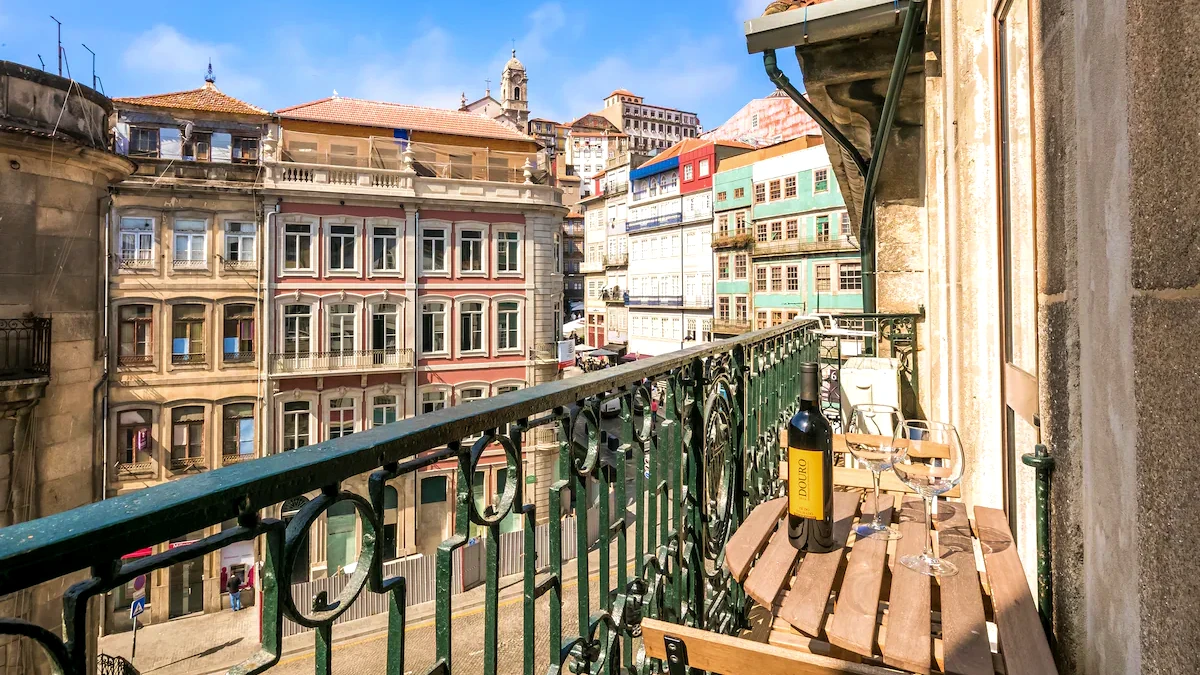
One of the most significant changes has occurred in the Porto district, where the median asking price fell from €430,000 in October 2025 to €380,000 in October 2026.
That represents an annual decrease of 11.6%, or €50,000. The decline is particularly noteworthy because rental asking prices in the same district have moved in the opposite direction.
In Lisbon, advertised sale prices have also fallen, although less sharply. The district’s median asking price declined by 3.2%, from €630,000 to €610,000. Despite that decrease, Lisbon remains the most expensive district in mainland Portugal for buying a home in this barometer.
Elsewhere, the trend is different. Portalegre recorded a 16.6% annual increase, bringing the median asking price to €149,000, while Bragança rose by 12% to €128,250. In Santarém, asking prices increased by 10.4% over the same period, reaching €287,000.
The figures suggest that the easing seen in Porto and Lisbon is far from a nationwide trend.
Beja Rents Jump Almost 30% in a Year

The rental market presents an equally divided picture.
In the Alentejo district of Beja, the median advertised monthly rent increased from €675 to €875 between October 2025 and October 2026. That is a rise of 29.6% in just twelve months, the largest annual increase among the mainland districts covered by the report.
Neighbouring Évora also recorded a significant increase, with advertised rents reaching €1,000 a month, up 14.3% year on year.
In Porto, rents rose from €1,030 to €1,190, an annual increase of 15.5%, despite the substantial fall in sale asking prices.
This divergence is one of the most interesting findings in the report: lower advertised purchase prices do not necessarily translate into more affordable rental housing.
Lisbon, meanwhile, remains mainland Portugal’s most expensive rental district, with a median monthly asking rent of €1,700.
That figure is 2.9% lower than the €1,750 recorded a year earlier, but it remains considerably higher than in most other parts of the country.
In the Algarve, the Faro district recorded an annual rent increase of 8.3%, bringing the median asking rent to €1,300 a month.
TheAngarve and Portuguese Islands Follow Different Trends

For buyers looking towards southern Portugal, the Algarve remains one of the country’s more expensive markets.
In the Faro district, the median advertised sale price reached €575,000, up 2.7% compared with October 2025.
Setúbal, south of Lisbon, remained unchanged at €480,000.
Some of the largest annual movements were recorded in Portugal’s Atlantic islands.
On Terceira in the Azores, the median advertised property price rose from €200,000 to €290,000 in twelve months, an increase of 45%.
On São Miguel, asking prices remained unchanged year on year at €395,000, although advertised monthly rents reached €1,400 following a sharp increase compared with September.
Madeira also remains a relatively expensive market, with a median asking price of €585,000 and advertised rents of €1,500 a month.
These figures show that the country’s island property markets can experience considerable changes of their own, which may not be reflected in national trends.
What the Figures Mean for Buyers and Renters
The Imovirtual barometer provides a useful snapshot of property listings across Portugal, but its figures need to be read carefully.
The reported values concern asking prices for houses and apartments advertised on the platform, rather than final sale prices recorded by notaries or rents actually agreed in signed contracts.
The published district-level figures also do not establish a standard property size. A change in the mix of apartments and houses advertised may therefore influence the median, even without an equivalent change in the value of comparable homes.
For example, the €50,000 decline recorded in Porto does not mean that every property, or even a typical individual property, has lost €50,000 in market value.
There is another important geographical distinction: the figures refer to districts, not just their main cities. Porto district includes a much wider area than Porto city itself, just as Beja district extends beyond the city of Beja.
For prospective buyers, landlords and tenants, the October figures underline the importance of examining local markets rather than relying solely on Portugal-wide indicators.
The country may appear relatively stable in the national statistics, but the experience of someone searching for a home in Porto, Beja, Lisbon or the Algarve can be very different.