
The smell of roasting chestnuts drifts through village squares, horses and riders take over the streets of Golegã, and Portugal’s northern mountains turn shades of gold and copper. November brings a different rhythm to the country, far removed from the busy summer season. It is a time for traditional fairs, historic villages, mountain walks and hearty regional food, with the occasional thermal retreat offering a welcome escape from the autumn chill.
The days are shorter and the weather less predictable, but that is part of the season’s character. Markets fill with autumn produce, centuries-old celebrations return to the calendar, and some of Portugal’s most beautiful rural landscapes become particularly atmospheric.
From the Minho in the far north to the Serra da Estrela and the plains of Ribatejo, here are some of the experiences worth travelling for this November.
São Martinho: Portugal’s essential November tradition

No November journey through Portugal would be complete without mentioning São Martinho, celebrated on 11 November. The occasion brings families, friends and neighbours together for magustos, traditional gatherings where chestnuts are roasted and shared, often accompanied by new wine, jeropiga or água-pé, two drinks closely associated with the season.
Across the country, schools, community groups and municipalities organise celebrations that keep this distinctly Portuguese autumn tradition alive. São Martinho is also linked to the verão de São Martinho, or St Martin’s summer, the popular name for a spell of unexpectedly mild weather around the feast day. It is a much-loved expression, although certainly no promise of sunshine.
For a closer look at the celebration, explore the traditions of the magusto and the story behind jeropiga and água-pé. November, however, offers plenty of other reasons to venture beyond the familiar.
Golegã: when horses take over the town
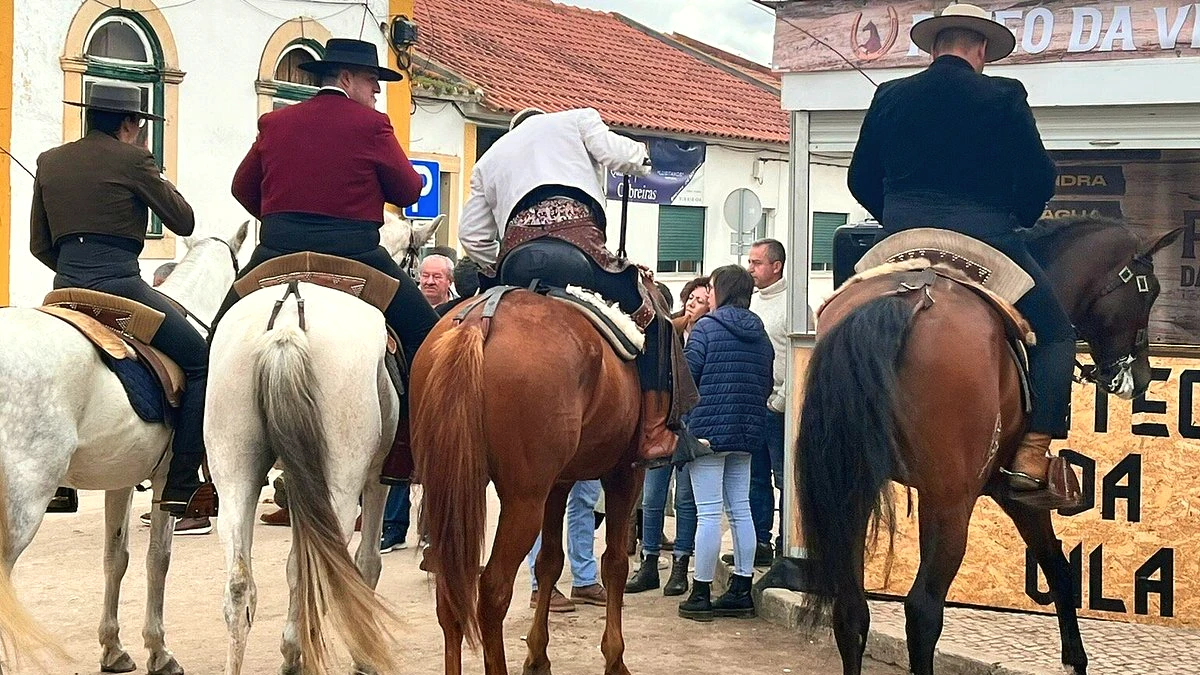
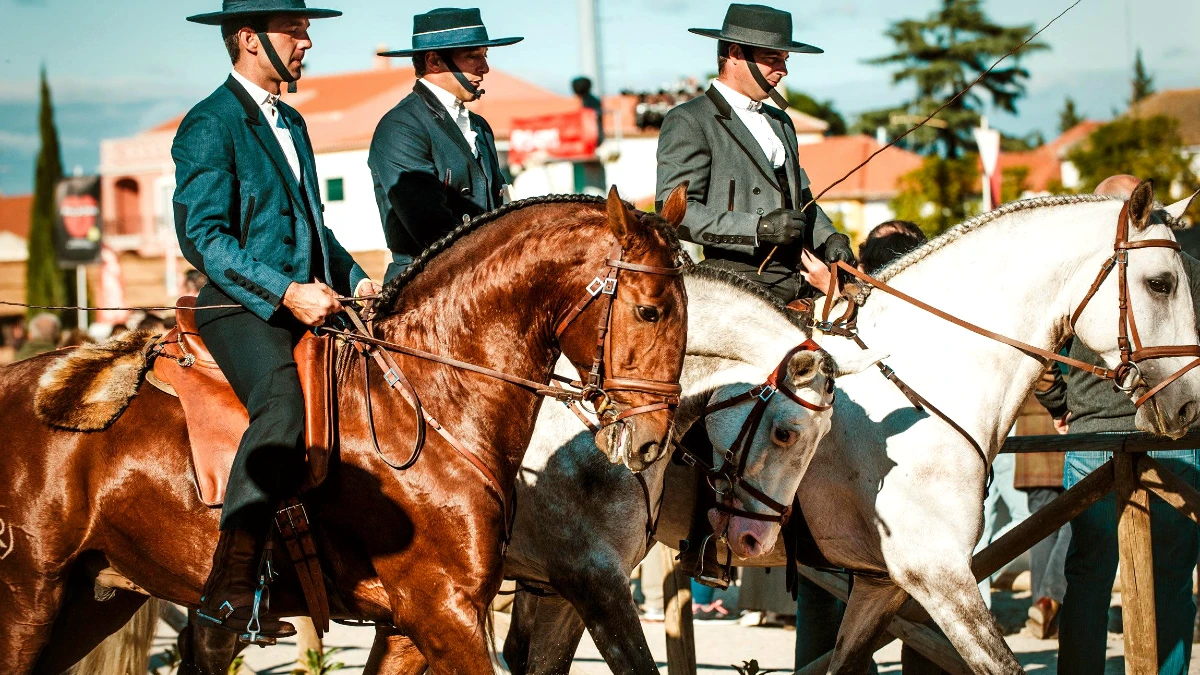
Every November, the small Ribatejo town of Golegã becomes the centre of Portugal’s equestrian world. The Feira Nacional do Cavalo, scheduled for 6–15 November 2026, brings together riders, breeders and visitors to celebrate the Lusitano horse, one of the country’s most distinctive cultural symbols.
During the festival, horses are everywhere. Riders in traditional dress move through the streets, equestrian competitions and demonstrations draw spectators, and the town takes on an atmosphere that is difficult to find at any other time of year. Even visitors with little interest in riding can enjoy the spectacle, the regional food and the strong connection to Ribatejo’s rural heritage.
The campinos, the traditional cattle herders of the Tagus plains, are another reminder of the region’s identity. Their clothing and customs form part of the cultural landscape surrounding the event.
For a quieter excursion, the nearby Paul do Boquilobo Nature Reserve offers a striking change of scene. Its wetlands provide habitat for numerous bird species, making it an appealing stop for nature lovers after the bustle of the fair.
Bragança and Montesinho: the flavours of a Portuguese autumn

In northeastern Portugal, autumn has a flavour of its own. Around Bragança, chestnuts are deeply rooted in the food culture of Trás-os-Montes, appearing in savoury dishes, desserts and seasonal gatherings. Restaurants serve regional sausages, mushrooms, slow-cooked meats and local wines, the sort of food that feels particularly inviting as temperatures begin to fall.
The city itself deserves time beyond the dining table. Its medieval citadel, dominated by Bragança Castle, is one of the most distinctive historic settings in northern Portugal. The Iberian Museum of Masks and Costumes introduces visitors to the remarkable masked traditions of Trás-os-Montes and neighbouring regions, many of which come to life during winter festivities.
A short drive away, Montesinho Natural Park reveals a quieter, more rural side of Portugal. Forests, hills and traditional stone villages make the region especially attractive in autumn, when changing leaves bring colour to the landscape. Walking routes should be chosen with the weather in mind, but even a leisurely drive through the villages can be rewarding.
Manteigas: autumn colours in the Serra da Estrela
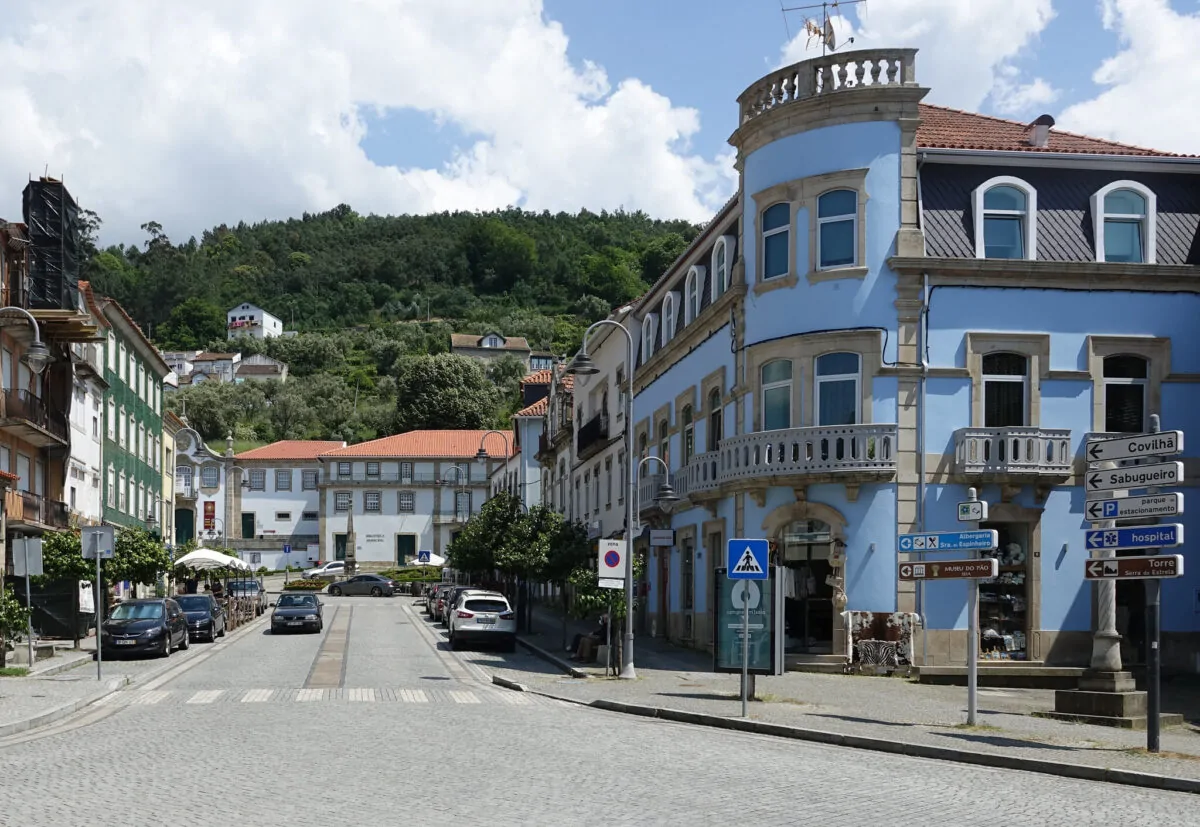
There is something particularly compelling about the Serra da Estrela in November. Clouds drift across the mountains, the air becomes noticeably cooler, and wooded valleys take on shades of amber, yellow and rust. It is a landscape that feels far removed from the Portugal of beach holidays and summer terraces.
The mountain town of Manteigas makes an excellent base for exploring the area. One of its great natural landmarks is the Zêzere Glacial Valley, a broad mountain valley shaped by glaciers during the last ice age. Its scale is impressive, particularly when viewed from the surrounding roads and viewpoints.
Nearby, Covão d’Ametade offers a more intimate encounter with the scenery. Set among trees beneath the mountain slopes, it is an inviting place for a short walk and a chance to enjoy the autumn atmosphere without committing to a demanding hike.
Afterwards, mountain cooking provides its own rewards. The famous Serra da Estrela cheese, regional cured meats, soups and slow-cooked dishes are all part of the experience. Conditions can change quickly at higher elevations, however, so checking road access and carrying warm, waterproof clothing is essential.
Cerdal and Valença: a traditional fair on the Galician border
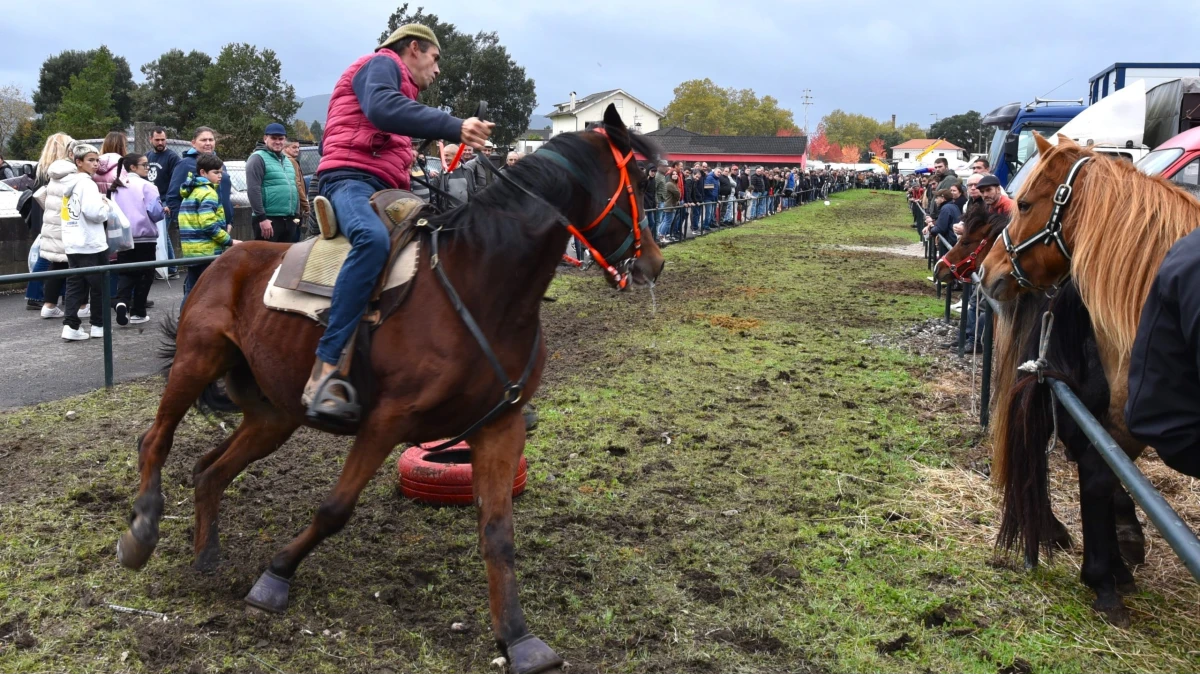
In the Alto Minho, the Feira dos Santos de Cerdal marks the beginning of November with a celebration of rural life and local commerce. Scheduled for 1 and 2 November 2026, the fair near Valença brings together hundreds of stalls selling agricultural products, crafts, regional foods and everyday goods.
The hardy Garrano horses, a breed associated with northern Portugal, also have a place in the event. On 2 November, the traditional Feira das Trocas gives visitors an opportunity to exchange items purchased the previous day, a distinctive custom that adds to the fair’s character.
Cerdal is also a good starting point for exploring Valença, whose imposing fortress overlooks the Minho River. From its ramparts, visitors can look across to Tui in Galicia, just over the Spanish border. The two towns reflect centuries of movement, trade and shared traditions along this stretch of the river, making the area an appealing destination even after the fair has ended.
From Gardunha to Melgaço: forests, villages and thermal escapes

For travellers who prefer an autumn weekend without a major event, the Serra da Gardunha, near Fundão, offers chestnut groves, walking trails and traditional villages. Around Alcaide, mushrooms and other seasonal ingredients inspire local gastronomic activities, although dates and programmes vary from year to year.
A visit can easily include Castelo Novo, a historic village set against the mountain slopes. Its stone streets and rural setting make it a pleasant place to slow down and explore on foot.
Farther north, Melgaço offers another kind of November escape. With its compact historic centre, Minho vineyards and proximity to the landscapes of Peneda-Gerês, the area lends itself to an unhurried stay. Local wines, village visits and scenic drives can all form part of a weekend itinerary.
Melgaço also has a thermal heritage, making relaxation a possible addition to the trip. Travellers should check which spa and thermal services are operating in November, as some facilities and treatments follow seasonal schedules.
Planning a November trip to Portugal
Travelling through Portugal in November rewards flexibility. Some days can still be pleasantly mild, but rain is more likely, and mountain areas can become cold. Waterproof outerwear, comfortable shoes and a mixture of indoor and outdoor activities will make the experience much easier to enjoy.
Two or three days are usually enough to visit a traditional fair and explore the surrounding countryside. For places such as the Serra da Estrela or Montesinho, allowing extra time makes it easier to adjust plans around the weather.
Although November falls outside the main tourist season, popular events such as Golegã’s horse fair can still attract large crowds. Booking accommodation early and checking official event programmes is advisable.
The real pleasure of travelling through Portugal at this time of year is the freedom to take things slowly: stopping at a chestnut stall, discovering a village restaurant, wandering through misty mountain scenery or lingering over lunch while the rain falls outside. November may be quieter than summer, but it has a character entirely its own.