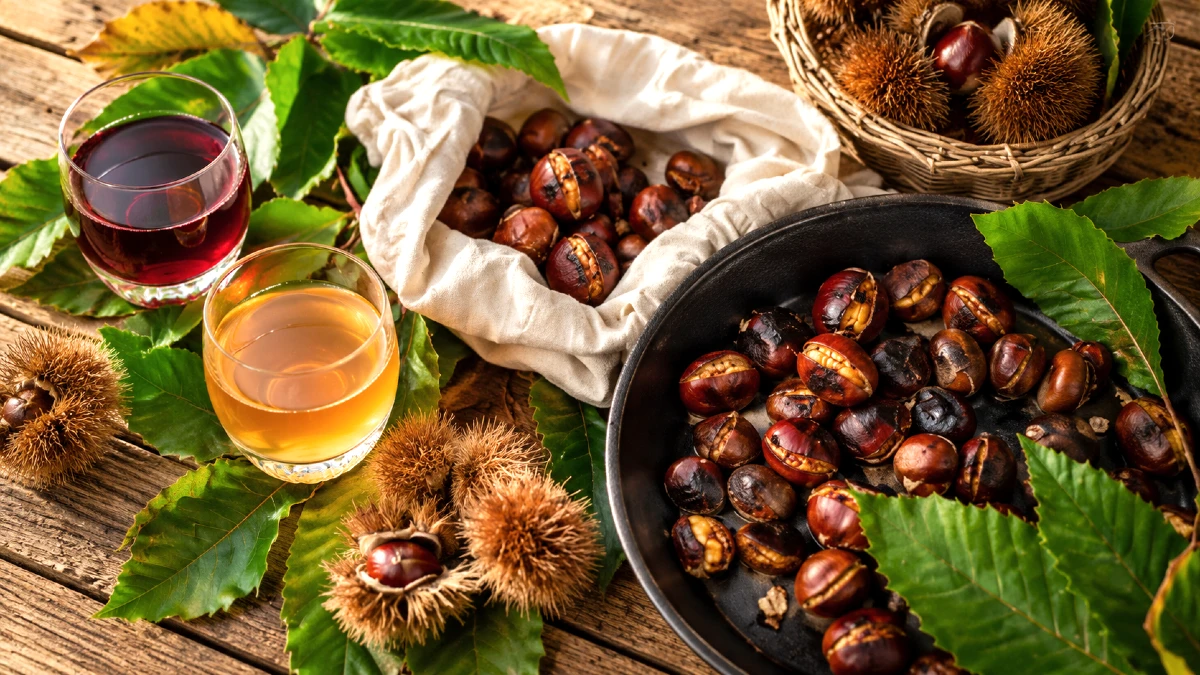
Every November, as the grape harvest gives way to autumn and the smell of roasted chestnuts begins to fill Portuguese streets, two traditional drinks make their seasonal return: jeropiga and água-pé. Both are closely associated with São Martinho, or St Martin’s Day, celebrated on 11 November, but although they share a connection to winemaking, they are quite different. One is sweet and relatively strong, while the other is lighter and made from what remains after grapes have been pressed. There is also a lesser-known distinction: jeropiga can be sold commercially in Portugal, whereas traditional água-pé cannot.
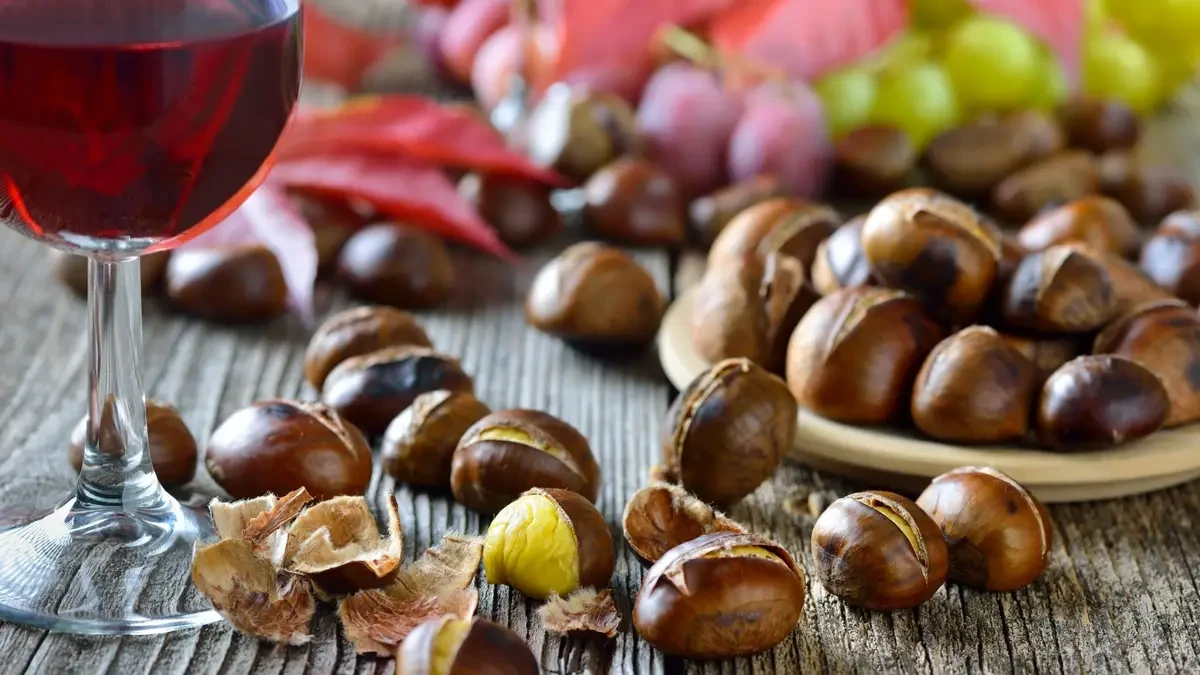
São Martinho remains one of Portugal’s most recognisable autumn traditions. Across the country, families, friends and communities gather for magustos, celebrations centred on roasting and eating chestnuts, often accompanied by wine or other drinks made from grapes. The custom is closely tied to the agricultural calendar, coming just weeks after the grape harvest, when the products of the year’s winemaking are still fresh in people’s minds.
A familiar Portuguese saying captures the spirit of the occasion: “No dia de São Martinho, come-se castanhas e bebe-se vinho” – on St Martin’s Day, people eat chestnuts and drink wine. Yet the drinks traditionally served with those chestnuts are not necessarily ordinary wine, and their differences reveal something of Portugal’s rural history.
Jeropiga and água-pé: two different ways of using grapes
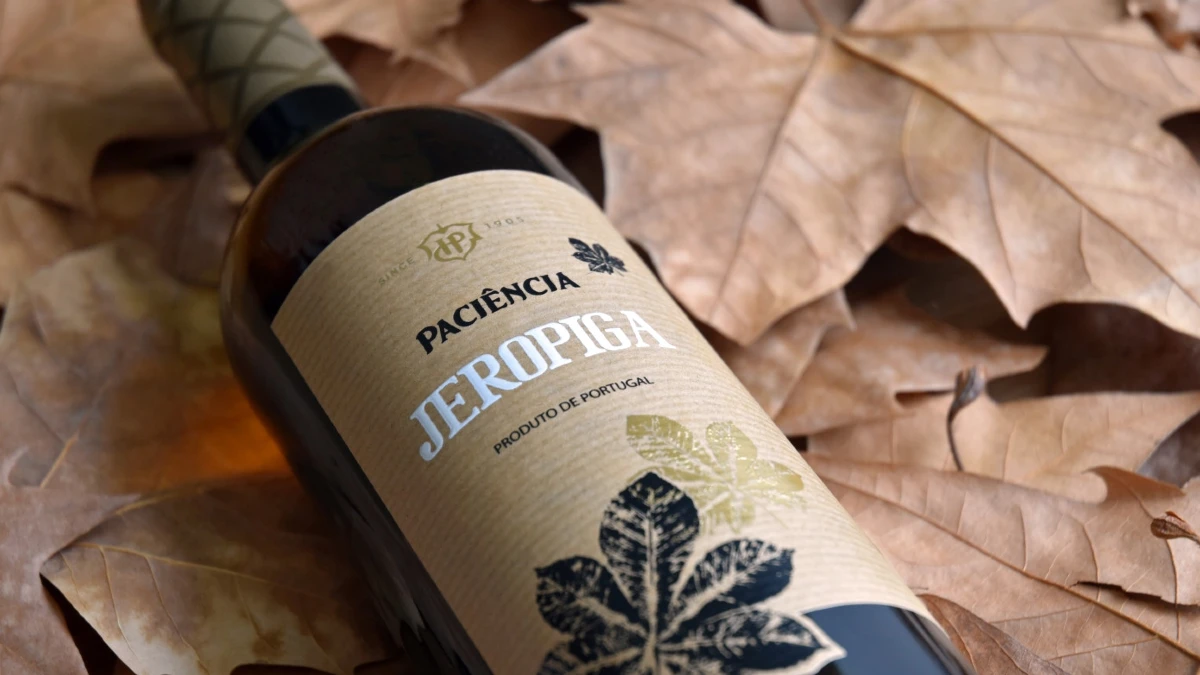
Jeropiga is made by adding aguardente, a spirit, to grape must, the freshly pressed juice from which wine is produced. The added alcohol stops fermentation, preserving much of the natural sugar in the grapes and giving the drink its characteristic sweetness. The result is richer and stronger than many table wines, with an alcohol content generally between 15% and 18%, according to Portuguese consumer organisation DECO PROteste 1.
Traditionally served slightly chilled, at around 8–10°C, jeropiga is especially popular alongside roasted chestnuts. Its sweet flavour contrasts with their earthy, slightly smoky taste, making it a familiar part of São Martinho celebrations. Unlike some traditional homemade drinks, jeropiga is also commercially available and can be found in Portuguese shops, provided it meets the applicable production and marketing requirements.
Água-pé comes from a different stage of the winemaking process. Once the grapes have been pressed, the remaining skins, pulp and other residues form what is known in Portuguese as bagaço, or grape pomace. Water is added to this material to produce a lighter drink, sometimes with the addition of aguardente, depending on the traditional method used.
With an alcohol content generally ranging from 2% to 6%, água-pé is considerably less alcoholic than jeropiga and usually less sweet. DECO PROteste recommends serving it cool, at around 10–12°C. Historically, it offered winemaking households a way to make further use of the grape harvest after the main wine had been produced. That connection to domestic production remains central to its identity, not least because of the restrictions governing its sale.
Why traditional água-pé cannot be sold
The distinction between the two drinks is not simply a matter of taste or production. Under European wine regulations, traditional água-pé falls within the category known as piquette, a drink made by using water and grape pomace.
The relevant provisions are set out in EU Regulation No 1308/2013 2, which establishes rules for agricultural products, including those made from grapes. Annex VIII restricts the use of piquette to distillation or consumption within the wine producer’s household, where its production is authorised by the member state concerned.
In practical terms, this means that traditional água-pé cannot be marketed to the general public as an ordinary alcoholic drink. The restriction does not amount to a complete prohibition on making or consuming it; rather, it limits the circumstances in which it may be produced and used. Jeropiga is treated differently and may be legally marketed when the relevant requirements are met.
This helps explain an apparent curiosity of Portuguese food culture. Although both drinks have long been associated with São Martinho, someone looking for them in a supermarket is far more likely to find jeropiga. Água-pé remains principally connected to winemaking households and the domestic traditions in which it originated.
An autumn tradition that goes beyond the wine

The association between these drinks and São Martinho reflects the season in which the celebration takes place. By early November, Portugal’s vineyards have generally been harvested, the first stages of winemaking are complete, and chestnuts are in season. The magusto brings those two agricultural traditions together, turning an autumn harvest into a social occasion.
Celebrations vary from one region to another. Some involve open fires and freshly roasted chestnuts shared outdoors, while others take place around the family table. Young wine may accompany the food, as may jeropiga or, in wine-producing households, água-pé. Their presence is part of a wider tradition rather than a fixed ritual followed in the same way everywhere in Portugal.
For visitors or residents unfamiliar with these drinks, jeropiga is the easier one to discover. Its sweetness makes it approachable, although its relatively high alcohol content means it is best enjoyed in modest quantities. Água-pé, despite being lighter, also contains alcohol and remains subject to its particular legal restrictions.
Neither drink is essential to celebrating São Martinho, but both help explain why the occasion has endured as more than a date on the Portuguese calendar. Behind the roasted chestnuts lies a long relationship between the countryside, the grape harvest and the customs that continue to bring people together each November.