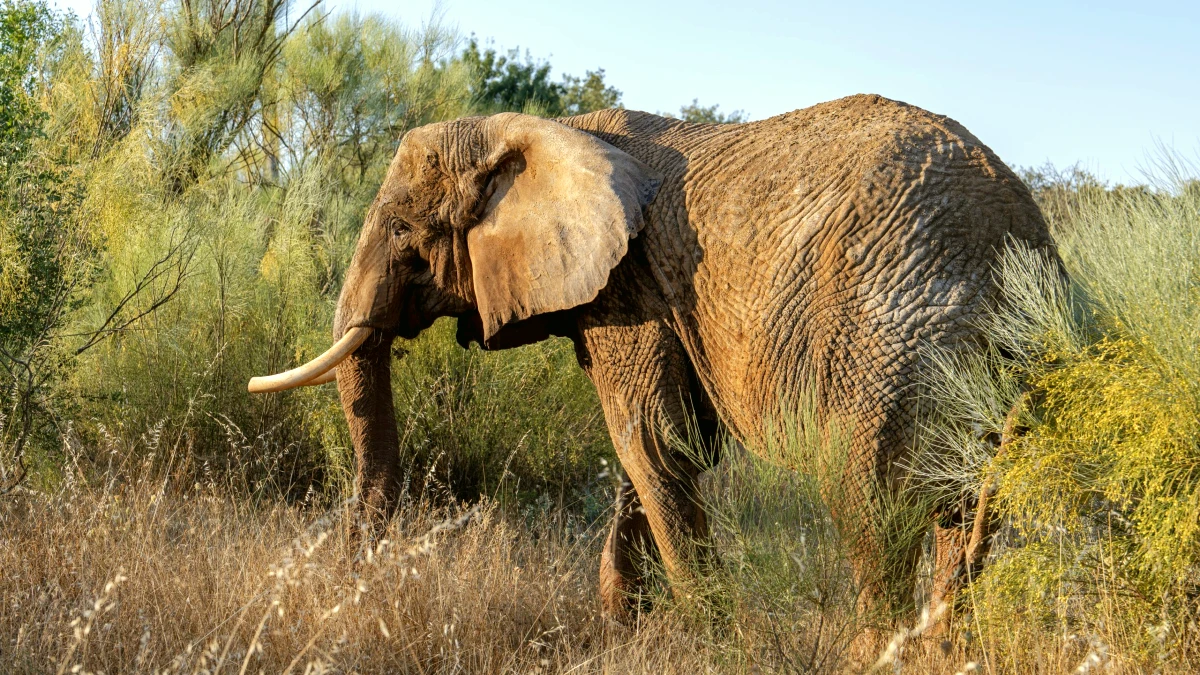
She takes mud baths, digs in the earth and sometimes sleeps beneath the stars. After nearly four decades in a Portuguese circus, Julie, an African elephant in her mid-40s, is discovering a very different way of life at a sanctuary in the Alentejo. Just over three months after her arrival, her carers say she has gained more than 100 kilograms and is growing increasingly confident in her new surroundings.
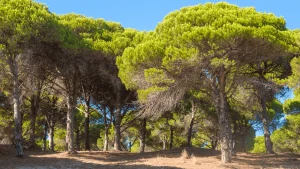
Among the dry grasslands and oak trees of southern Portugal, Julie now spends much of her time exploring an expansive natural habitat. There are no performances to prepare for and no fixed schedule determining when she must go outside.
At Pangea Elephant Sanctuary, near Vila Viçosa in the Alentejo, the idea is simple: Julie should have as much choice as possible over how she spends her days.
For an elephant that spent almost her entire life in captivity, those everyday choices represent a significant change.
From Portugal’s Last Circus Elephant to Pangea’s First Resident
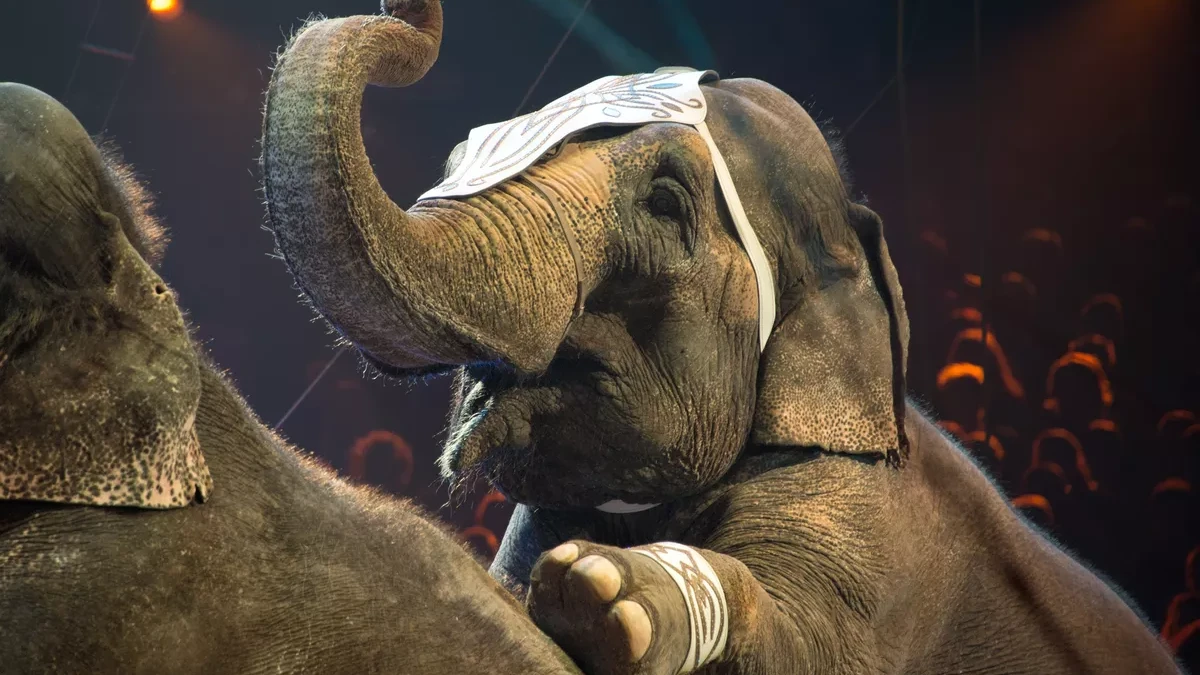
Julie’s story began far from Portugal. Taken from the wild in southern Africa as a calf, she arrived in Europe at a young age and joined the Víctor Hugo Cardinali circus in 1988. For decades, she travelled with one of Portugal’s best-known circus companies, performing in shows and living alongside other elephants.
But the country’s relationship with wild animals in circuses was changing. In 2018, Portugal approved legislation to phase out their use in circus performances. The prohibition took full effect in 2024, when Julie retired from the ring. That same year, her last elephant companion, Samba, died, leaving her alone.
Finding somewhere suitable for Julie was not straightforward. Elephants need specialised care, considerable space and, ideally, opportunities to form social relationships with other elephants.
A voluntary agreement between the circus and Pangea eventually made her relocation possible. On 2 July 2026, Julie became the first resident of the new sanctuary. Her arrival also marked the end of a chapter in Portuguese circus history: she was the last wild animal still being kept by a circus in the country.
A Sanctuary Designed Around the Elephants
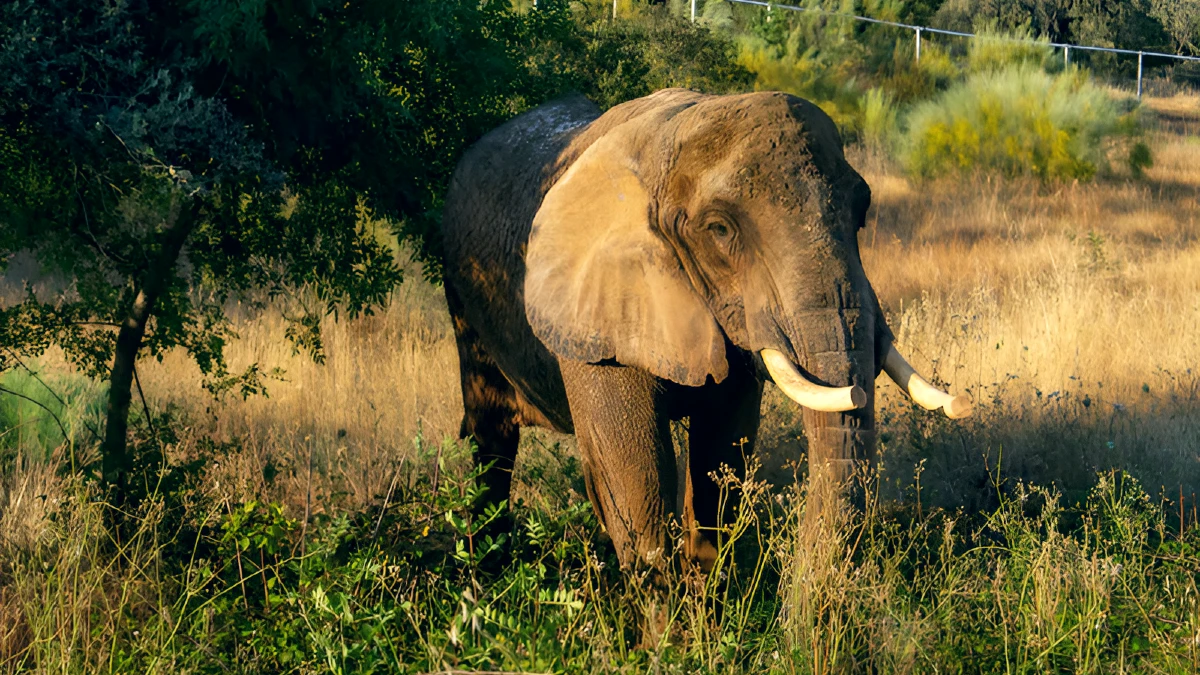
Pangea Elephant Sanctuary occupies a 402-hectare reserve extending across the municipalities of Vila Viçosa and Alandroal.
Established in Portugal by Associação Natureza Pangea and supported by the UK-based Pangea Trust, the project aims to provide lifelong care for elephants previously held in European circuses, zoos and other captive settings.
The sanctuary is designed to allow elephants to roam, forage, rest and explore at their own pace, with specialised veterinary supervision when needed.
The Alentejo was chosen partly for its relatively warm climate and the availability of land. For older elephants, particularly those living with joint and mobility problems, having room to move in an appropriate environment is an important consideration.
Pangea ultimately hopes to accommodate between 20 and 30 elephants, although that remains a long-term ambition rather than the sanctuary’s current population.
Unlike a wildlife park, Pangea is not open to tourists. Its priority is to provide a quiet environment where resident elephants can settle without the presence of visitors.
Mud Baths, Outdoor Nights and an Unexpected Favourite Food
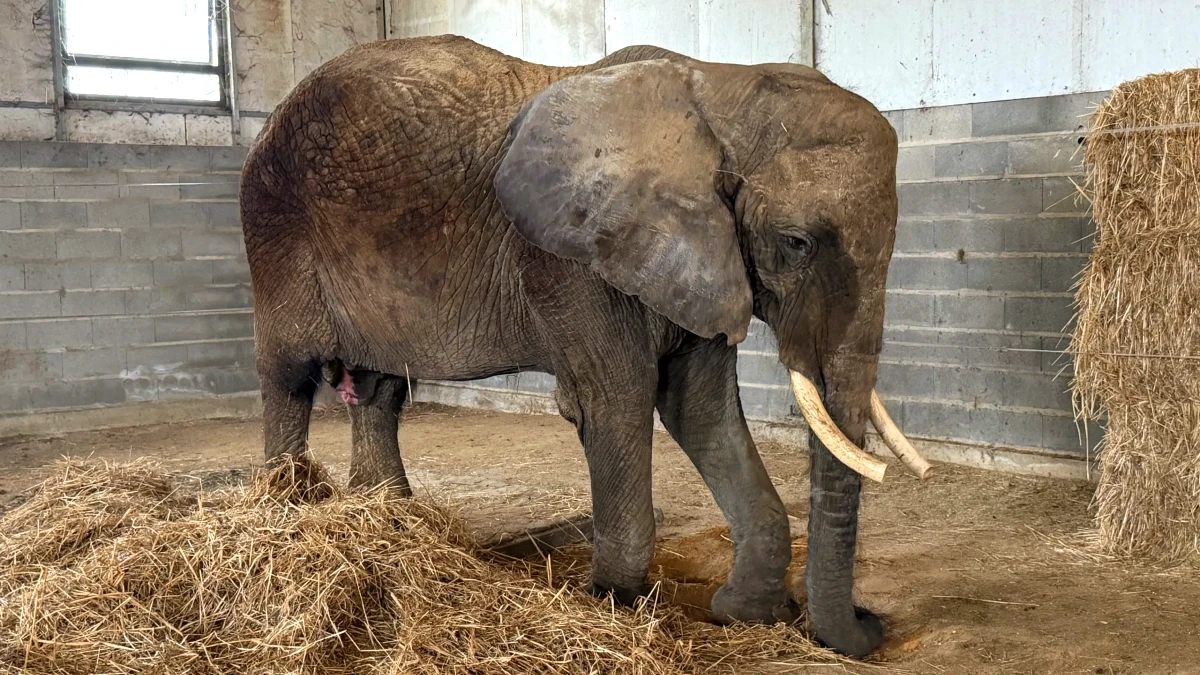
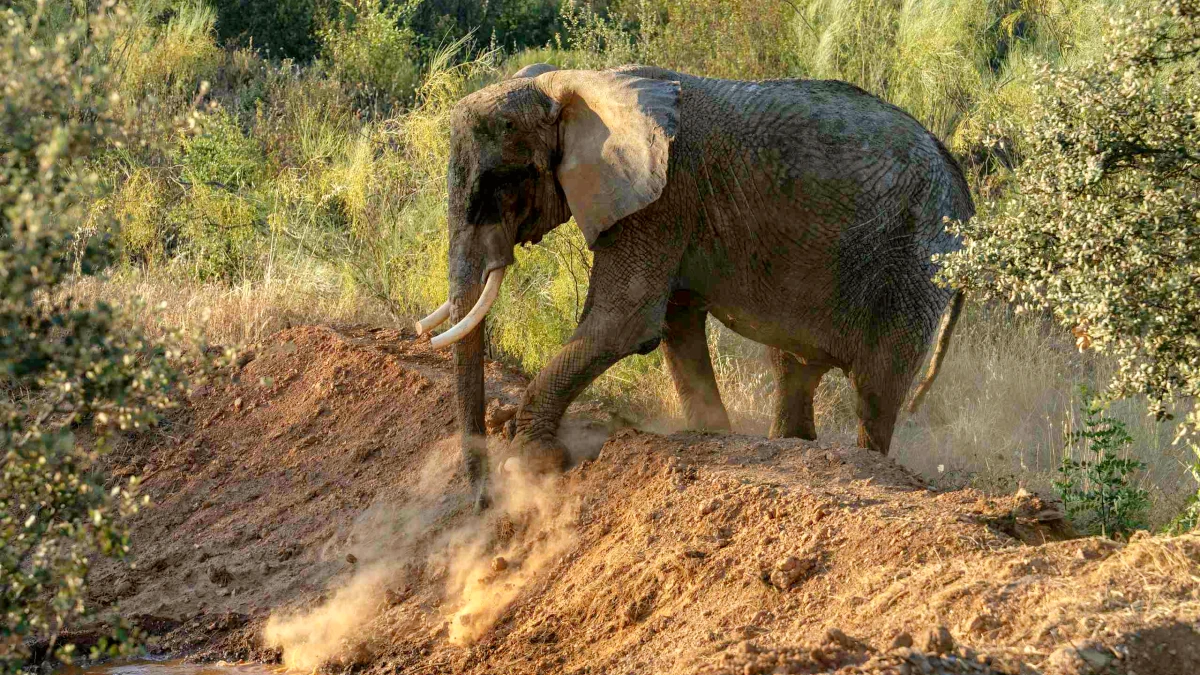
Julie’s adjustment began almost immediately. According to an update published by Pangea, staff opened the gates to her outdoor enclosure just 24 hours after her arrival. After a short hesitation, she walked outside, found a mound of soil and started covering herself in mud. She has returned to that activity regularly ever since.
Her carers have also watched her use her tusks to dig into the ground, behaviour associated with elephants searching for roots and other food in the wild.
The Alentejo’s reddish earth has gradually given her skin a noticeably different appearance. Staff say that when Julie arrived, her skin was grey and dry; now she frequently covers herself in soil and mud.
Perhaps the clearest change has been where she chooses to sleep. At first, Julie spent most nights inside her barn. The doors were left open so she could move between shelter and the surrounding habitat whenever she wished.
Over time, she began staying outside for longer periods. Staff have since found evidence that she has been sleeping beneath the stars, something they interpret as a sign that she feels increasingly secure.
Her personality has also emerged in smaller, unexpected ways. When offered different fruits and vegetables, including watermelon, bananas and carrots, Julie consistently chose raw onions.
More Than 100 Kilograms Gained in Three Months
The changes are not only behavioural. In an October 2026 report, Julie’s carers said she had gained more than 100 kilograms since arriving at Pangea.
Elephant keeper Johnny Nascimento reported that she now spends between 20 and 22 hours a day outdoors.
Sanctuary director Ryan Hockley suggested that some of the additional weight could be muscle, reflecting her increased movement and activity. This is the team’s assessment rather than an independently published veterinary finding.
For the people looking after Julie, her willingness to explore, dig and sleep outdoors is especially encouraging. These activities offer indications of how she is adapting to an environment that gives her more control over her daily routine.
Will Julie Soon Have an Elephant Companion?
For now, Julie remains Pangea’s only elephant.,The sanctuary hopes she will eventually be joined by Kariba, another African elephant currently living at Pakawi Park in Belgium.
Kariba’s planned relocation has encountered difficulties. A foot abscess and subsequent infections delayed the move, while getting her comfortable with the specialised transport crate has proved challenging.
In its 15 October update, Pangea reported encouraging medical progress but explained that the transfer could not yet be confirmed.
Moving an elephant across Europe requires careful preparation, and the sanctuary says Kariba will travel only when the risks are considered acceptable.
The hope is that Julie will eventually have the opportunity to live alongside another elephant, something that has been missing from her life since Samba’s death in 2024.
For now, her days are filled with simpler discoveries: a patch of loose soil, an outdoor resting place, the chance to wander through the Alentejo landscape — and, occasionally, an onion.