In Portugal’s Algarve, thousands of hectares of pine forest produce little income for their owners. An overlooked natural resource could help change that. Forestry specialists are exploring whether harvesting resin from stone pines could make these woodlands more profitable to maintain — and potentially help reduce wildfire risks.
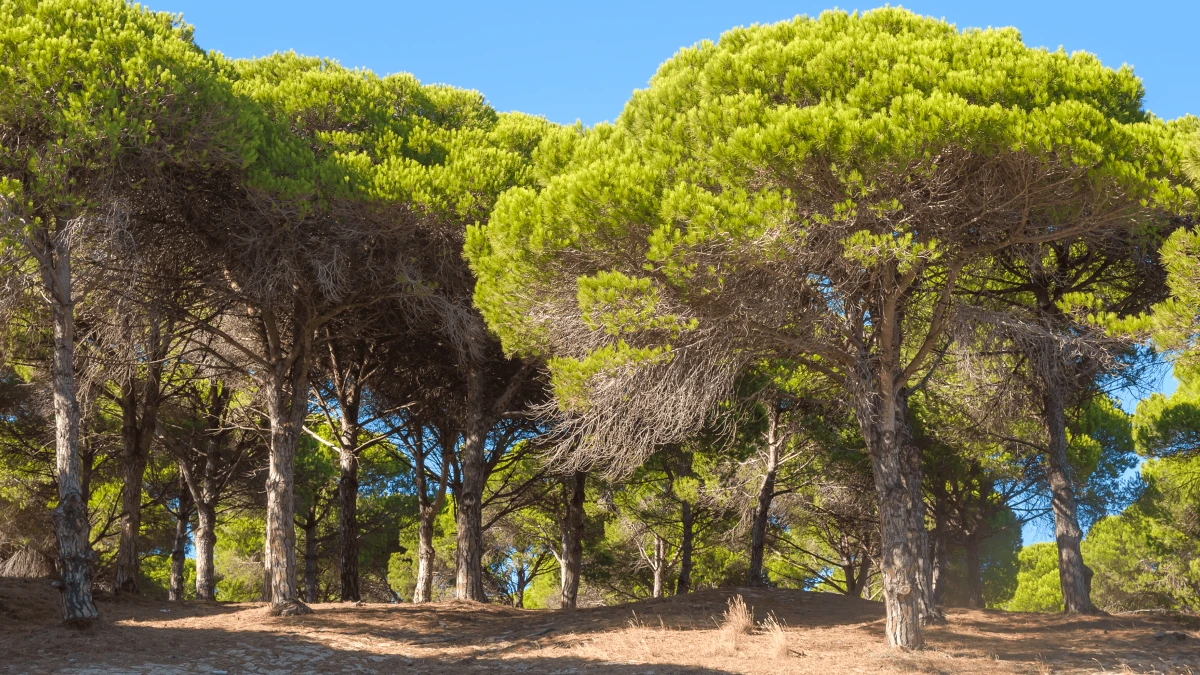
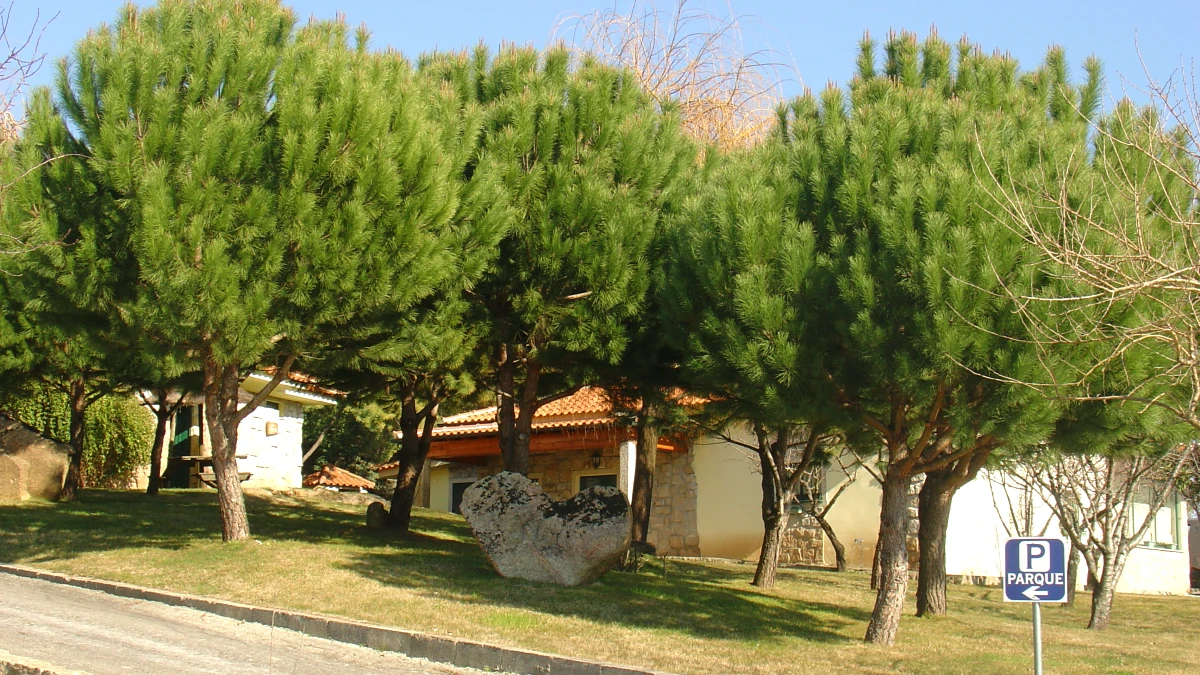
Across the Algarve, stone pines (Pinus pinea) are a familiar feature of the landscape. Their broad, umbrella-shaped canopies are characteristic of southern Portugal, while their pine nuts have traditionally provided a valuable source of income.
But not every pine forest produces a worthwhile harvest.
According to regional forestry association ASPAFLOBAL, the Algarve has more than 42,000 hectares of stone pine, including extensive plantations established during the 1990s. Many of these trees produce few pine cones, leaving landowners with limited financial returns.
Forestry organisations are now examining another possibility: collecting the resin produced naturally by the trees.
A Forgotten Forest Resource with Industrial Value
Resin tapping is a centuries-old practice in which carefully controlled incisions are made in a pine tree to collect its resin.
Once processed, the substance can be used to manufacture paints, adhesives, varnishes and cleaning products. One of its derivatives, rosin, is also used by musicians to improve the grip of violin bows on strings.
In Portugal, resin harvesting has traditionally focused on maritime pine rather than stone pine. However, studies suggest that the chemical composition of stone pine resin could offer opportunities for commercial use.
There is already a potential market. Portugal imports almost 90% of the resin required by its domestic industry, according to ASPAFLOBAL.
On 8 October 2026, a workshop in Marmelete, near Monchique, brought together forest owners, businesses and technical specialists to examine new harvesting methods.
Organised by ASPAFLOBAL and Resipinus under the RN21 project, the event explored techniques designed to improve resin quality while reducing contamination and unnecessary damage to the trees.
The aim is to determine whether stone pine forests that currently generate little revenue could provide owners with an additional income stream.jet RN21, cette rencontre visait notamment à améliorer la qualité de la résine récoltée tout en limitant les dommages causés aux arbres.
How Could Resin Harvesting Reduce Wildfire Risks?
The connection between resin and wildfire prevention is indirect – but potentially significant.
Forests that generate income give landowners a stronger financial incentive to manage them. Resin collection requires regular access to the trees, ongoing maintenance and a human presence in woodland areas.
According to the organisations behind the project, these activities could encourage vegetation management and help reduce the accumulation of combustible undergrowth.
That matters in a region where rural fires can spread rapidly through poorly maintained vegetation.
Resin harvesting itself does not make pine trees fire-resistant. The proposed benefit comes from better land management, rather than from any protective effect of extracting resin.
Whether that incentive will be strong enough to produce measurable improvements remains an open question.
Could the Algarve Develop Its Own Resin Industry?
The opportunity is promising, but the economics are not yet established.
Researchers still need to determine how much resin stone pines can reliably produce, what harvesting would cost and whether the resulting income would justify the investment for forest owners.
Technical requirements and the rules governing new extraction methods also need to be addressed. Although resin tapping is already regulated in Portugal, adapting the activity to stone pine plantations requires careful consideration.
For the Algarve, the potential value lies in connecting two problems: underused forest resources and the need for more consistent woodland management.
If resin harvesting proves commercially viable, it could offer landowners another reason to maintain their pine forests. Whether that translates into lower wildfire risk will depend on how the activity is implemented and whether it leads to sustained management of the surrounding vegetation.